Ulcerative Colitis Hospitalization Cost: Then and Now
{ if eq .Lang "zh" }{ else }{ end }In 2005, a severe ulcerative colitis flare meant IV steroids, a hospital bed, and hoping your colon responded before surgery became the only option. Today, that same flare might mean IV steroids followed by an infusion of a biologic drug costing thousands of dollars per dose — a completely different cost structure, aimed at avoiding the same surgery that used to be far more common.
Here’s what a modern UC hospitalization actually costs.
The Modern Cost Breakdown
| Component | Typical Cost |
|---|---|
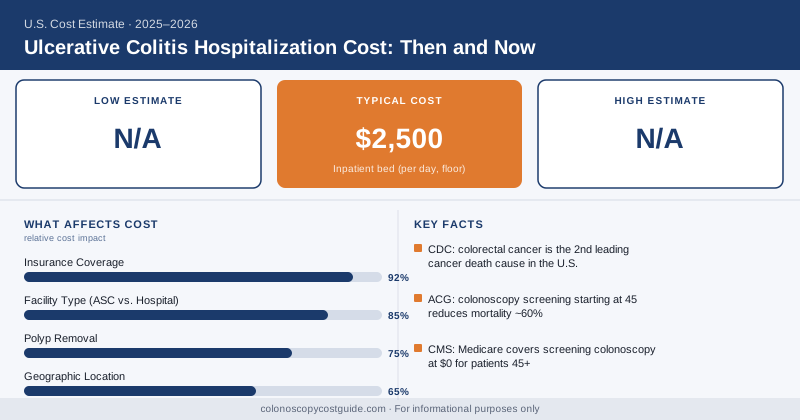
| Inpatient bed (per day, floor) | $2,500 – $6,000 |
| IV corticosteroid therapy | $500 – $2,000 (per stay) |
| Biologic rescue infusion (e.g., infliximab) | $3,000 – $8,000 per dose |
| Colonoscopy during admission | $2,500 – $6,000 |
| Emergency colectomy surgery (if needed) | $40,000 – $100,000+ |
| Total, steroid-response stay (4-6 days) | $15,000 – $30,000 |
| Total, biologic rescue stay | $30,000 – $50,000+ |
Then vs. Now: What Actually Changed
Twenty years ago, a patient who didn’t respond to IV steroids within a few days had few alternatives beyond emergency colectomy surgery — expensive, but a single, defined cost. Today, biologic rescue therapy (drugs like infliximab, given as an inpatient infusion) offers a middle path, adding thousands of dollars per dose to the hospital bill but potentially avoiding a $40,000-$100,000+ surgery altogether.
Key Takeaway
Why UC Flares Land People in the Hospital
The CDC estimates roughly 3.1 million U.S. adults have been diagnosed with some form of inflammatory bowel disease, and ulcerative colitis flares that don’t respond to outpatient medication adjustment are a leading cause of GI-related hospital admission in this population. Blood loss, dehydration, and the risk of toxic megacolon (a dangerous colon dilation) are why doctors don’t take severe flares lightly.
What Insurance Typically Covers
Because this is medically necessary emergency-level care, standard inpatient hospitalization benefits apply, and biologic infusions given during an admission are billed under your medical benefit (not a separate pharmacy benefit), which usually means they count toward your medical deductible and out-of-pocket maximum rather than a separate drug copay tier.
After Discharge
Following hospitalization, you’ll likely need ongoing management with an IBD specialist and possibly a transition to long-term maintenance medication, plus a follow-up colonoscopy to assess healing once the acute flare has resolved.
Bottom Line
A steroid-responsive UC flare hospitalization runs $15,000-$30,000; a severe flare requiring biologic rescue therapy runs higher but can help you avoid a $40,000-$100,000+ emergency colectomy. The cost structure has shifted over the past two decades, but the underlying message hasn’t: don’t delay care for a severe flare to save money now, since the cost of complications is almost always higher.
{ if eq .Lang "zh" }