Stomach Ulcer Treatment Cost: Peptic Ulcer Diagnosis and Care Prices
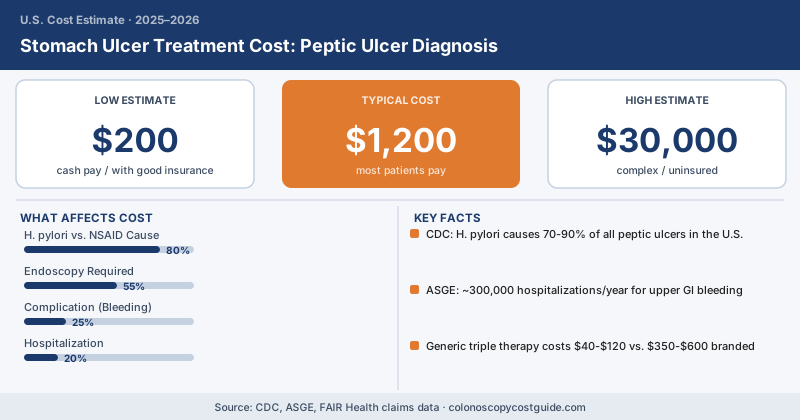
In 2010, a peptic ulcer diagnosis typically meant a doctor visit and a $12 generic omeprazole prescription. In 2025, the same diagnosis might still cost just $200 — or it might spiral to $30,000 if you’re one of the 300,000 Americans who end up hospitalized each year for a bleeding ulcer.
Understanding where you fall on that cost spectrum starts with understanding what’s actually causing your ulcer.
What Causes Peptic Ulcers (And Why It Matters for Cost)
The CDC estimates that Helicobacter pylori (H. pylori) infection causes approximately 70–90% of all gastric and duodenal ulcers in the United States. NSAIDs (ibuprofen, naproxen, aspirin) cause most of the rest. That distinction drives costs in two ways:
- H. pylori ulcers require antibiotic eradication therapy, which needs testing before and after treatment
- NSAID ulcers resolve when the medication is stopped, but recur if the patient can’t discontinue the NSAID
Step 1: Diagnosis Costs
| Diagnostic Test | Typical Cash Price |
|---|---|
| Primary care office visit | $150 – $350 |
| H. pylori urea breath test (BreathTek) | $150 – $500 |
| H. pylori stool antigen test | $40 – $150 |
| H. pylori serology (blood test) | $30 – $80 |
| Upper endoscopy (EGD) with biopsy | $800 – $4,000 |
| Upper GI barium swallow (older alternative) | $300 – $900 |
Most uncomplicated peptic ulcers don’t need an endoscopy to diagnose. A positive H. pylori test in a patient with classic symptoms is often enough to start treatment. But if you’re over 60, have alarm symptoms (unexplained weight loss, difficulty swallowing, persistent vomiting, early satiety), or you’re not responding to treatment, an endoscopy is indicated — and that’s where costs jump.
The urea breath test is the most accurate non-invasive test for active H. pylori infection and the preferred method for confirming eradication after treatment. At a hospital outpatient department, it can be billed at $400–$600. At a freestanding lab, it’s often available for $150–$250. GoodRx and similar discount programs sometimes offer it for under $100 at participating pharmacies.
Step 2: Treatment Costs
For most peptic ulcers, treatment is entirely outpatient. The standard protocol:
For H. pylori-positive ulcers:
- 14-day antibiotic eradication therapy (triple or quadruple regimen): $40–$600
- Followed by 4–8 more weeks of PPI therapy: $10–$60 (generic omeprazole)
- Confirmation test (urea breath test) 4 weeks after completing antibiotics: $150–$500
For NSAID-induced ulcers:
- Stop or reduce the NSAID if possible
- 4–8 weeks of PPI therapy: $10–$60
- Switch to a COX-2 inhibitor plus PPI for patients who must continue NSAID therapy
Generic vs. Brand Eradication Kits
When Ulcers Get Complicated: Hospitalization Costs
Roughly 25% of peptic ulcer disease patients develop a complication at some point. The three main complications — bleeding, perforation, and gastric outlet obstruction — have dramatically different cost profiles.
Bleeding Ulcer (Most Common Complication)
Upper GI bleeding from a peptic ulcer is one of the most common GI emergencies in the US. The American Society for Gastrointestinal Endoscopy (ASGE) reports approximately 300,000 hospitalizations annually for upper GI bleeding.
| Bleeding Ulcer Care | Estimated Cost |
|---|---|
| ER evaluation and IV access | $1,000 – $3,500 |
| Emergency endoscopy (hemostasis) | $3,000 – $8,000 |
| Hospitalization (2–4 days, standard) | $8,000 – $25,000 |
| ICU admission (severe bleeding) | $15,000 – $50,000 |
| Blood transfusion (2 units) | $1,500 – $4,000 |
| Interventional radiology (if scope fails) | $10,000 – $25,000 |
| Surgery for refractory bleeding | $20,000 – $60,000 |
The good news: endoscopic hemostasis (stopping the bleeding through the scope using injection, clips, or thermal therapy) works in 85–90% of cases and avoids surgery. The hospitalization cost alone for a non-surgical bleeding ulcer runs $8,000–$25,000 for a typical 3-day admission.
Perforated Ulcer
Perforation — when the ulcer erodes completely through the stomach or duodenal wall — is a surgical emergency.
- Laparoscopic repair: $20,000–$45,000
- Open surgery (Graham patch repair): $25,000–$60,000
- ICU stay following surgery (3–7 days): $25,000–$60,000
- Total episode with complications: $40,000–$120,000
What You’ll Pay With Insurance
For an uncomplicated ulcer managed entirely outpatient:
- Office visit + H. pylori test: $0–$300 with insurance (after deductible)
- Antibiotic course: $10–$80 with generic coverage
- Follow-up breath test: $0–$150 with insurance
For an endoscopy to confirm ulcer healing or investigate symptoms:
- $200–$1,000 out of pocket with typical commercial insurance
For a hospitalized bleeding ulcer:
- Most insured patients will hit their out-of-pocket maximum ($3,000–$9,450 for individual ACA plans)
Long-Term Management
After an H. pylori-positive ulcer is treated and eradicated, the relapse rate is under 5% — an excellent outcome compared to the 80% recurrence rate without eradication. Patients with NSAID-induced ulcers who can’t stop taking NSAIDs typically need indefinite PPI co-therapy.
For patients who’ve had a bleeding ulcer, many GI specialists recommend:
- Annual or biannual follow-up visits (office cost: $150–$350)
- Maintenance PPI if high NSAID use continues
- Repeat endoscopy only if symptoms recur or for high-risk patients (history of multiple bleeding episodes)
The long-term medication cost is minimal — generic omeprazole costs $8–$20 per month. The real cost driver is avoiding the next complication through consistent follow-up.