SIBO Treatment Cost: Testing, Antibiotics, and the Rifaximin Problem
{ if eq .Lang "zh" }{ else }{ end }Most people assume the hard part of SIBO is the bloating. Wrong — it’s the bill for rifaximin. The diagnosis is affordable. The first-line antibiotic is one of the most expensive prescriptions in gastroenterology, and insurers love to deny it.
Small intestinal bacterial overgrowth means too many bacteria have set up shop in your small intestine, where they don’t belong. The result is bloating that balloons through the day, gas, and irregular bowels. It overlaps heavily with IBS — studies in the American Journal of Gastroenterology have found SIBO in a meaningful share of IBS patients — which is part of why so many people get tested. The CDC notes digestive diseases account for tens of millions of U.S. doctor visits a year, and SIBO testing has become a common stop on that path.
Step one: the breath test
SIBO is usually diagnosed with a breath test. You drink a sugar solution (lactulose or glucose) and breathe into tubes over a couple of hours; rising hydrogen or methane signals overgrowth.
| Test Type | Typical Cost |
|---|---|
| At-home mail-in breath kit | $150–$250 |
| In-clinic breath test | $200–$400 |
| Office visit to order/interpret | $150–$400 |
If your symptoms started after a normal colonoscopy, you’ve likely already spent a chunk on workup. Our IBS treatment cost guide is worth reading alongside this one, since the two conditions get tangled together constantly.
The rifaximin sticker shock
Here’s the real story. Rifaximin (brand name Xifaxan) is the antibiotic with the best evidence for SIBO, but it’s FDA-approved for IBS-D and hepatic encephalopathy — not SIBO specifically. That “off-label” detail means insurers frequently refuse to cover it for SIBO, and there’s no generic to fall back on.
| Antibiotic | Cost per Course |
|---|---|
| Rifaximin / Xifaxan (14 days) | $1,500–$2,000 |
| Metronidazole (generic) | $10–$40 |
| Ciprofloxacin (generic) | $15–$45 |
| Neomycin (for methane SIBO) | $40–$150 |
Getting rifaximin covered (or cheaper)
A few levers actually work:
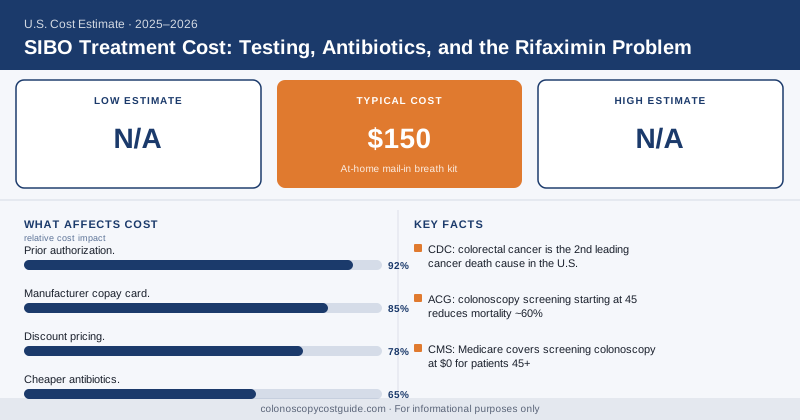
- Prior authorization. Your GI can appeal with documentation. Methane-positive SIBO often pairs rifaximin with neomycin, and noting that combo can help.
- Manufacturer copay card. Commercially insured patients can sometimes drop Xifaxan to $0–$30 a month.
- Discount pricing. Cash-pay coupons rarely make a dent on brand-only drugs, but they’re worth checking.
- Cheaper antibiotics. Some doctors start with metronidazole or cipro, especially if cost is a barrier. The evidence is weaker, but the price is a fraction.
Key Takeaway
The hidden costs nobody mentions
SIBO treatment isn’t just the antibiotic. Many people add a prokinetic to prevent recurrence (low-dose erythromycin runs about $15–$50 a month), follow restrictive diets, and pay for repeat breath tests to confirm clearance. Some chase expensive supplement protocols and “gut-healing” programs that have little evidence and no insurance coverage — that’s where budgets really blow up.
If your bloating is tied to acid reflux too, our GERD treatment cost breakdown covers the overlap. And if you’re still ruling out other causes, upper endoscopy (EGD) cost explains what that scope runs.
Realistic first-year budget
A best case — at-home test, one course of generic antibiotic, no repeats — can stay under $500. A worst case — clinic testing, cash-pay rifaximin, two recurrences, prokinetics, and supplements — can blow past $5,000. Most people land somewhere in between.
The single biggest move you can make on cost is the rifaximin conversation. Get your doctor to weigh in on coverage and alternatives before the pharmacy hands you a four-figure receipt.
{ if eq .Lang "zh" }