Primary Biliary Cholangitis Treatment Cost: PBC Care Prices for 2026
{ if eq .Lang "zh" }{ else }{ end }Primary biliary cholangitis used to be called primary biliary cirrhosis, and the name change wasn’t just cosmetic. It reflected the fact that, caught early and treated, most people with PBC never progress to cirrhosis at all. That’s encouraging for your health and your budget, because the first-line treatment happens to be cheap.
PBC is an autoimmune disease that slowly damages the bile ducts inside the liver. It overwhelmingly affects women, who make up about 9 in 10 cases according to the American Liver Foundation. Here’s what treatment costs.
The good news: first-line treatment is affordable
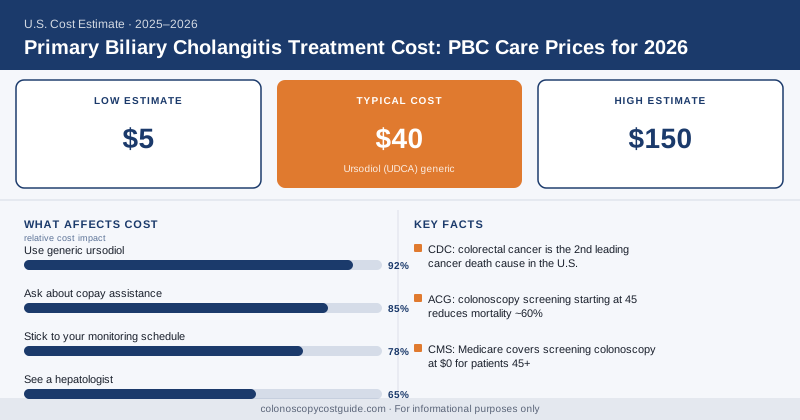
Most people start, and stay, on ursodiol (UDCA), a bile acid medication that slows the disease and is available as an inexpensive generic.
| Treatment Component | Cost (Uninsured) | With Insurance |
|---|---|---|
| Ursodiol (UDCA) generic | $30 – $150/mo | $5 – $40/mo |
| Second-line drug (obeticholic acid) | $1,500 – $7,000/mo | $50 – $1,000/mo |
| Newer PPAR agonist meds | $1,000 – $5,000/mo | varies |
| Hepatologist visits | $200 – $450 each | $30 – $75 copay |
| Lab monitoring (per year) | $400 – $1,500 | $200 – $700 |
| FibroScan / imaging | $300 – $1,200 | $75 – $300 |
How diagnosis works
PBC is usually caught through abnormal liver function tests, specifically a high alkaline phosphatase, followed by a blood test for a specific antibody (AMA). That antibody test is so reliable that many people never need a liver biopsy, which keeps diagnosis costs lower than for some other liver diseases.
Your hepatologist may order a FibroScan or abdominal ultrasound to gauge how much, if any, scarring exists.
Key Takeaway
When second-line drugs are needed
If ursodiol doesn’t bring your numbers down enough, doctors add a second-line medication. These newer drugs are far more expensive, sometimes thousands of dollars a month before insurance. The FDA has approved several second-line options in recent years, expanding choices but also raising the potential cost ceiling.
The reassuring part: manufacturer copay assistance and patient support programs can bring out-of-pocket costs for these drugs down dramatically, sometimes to a small monthly copay. Always ask the manufacturer and your specialist about these programs before assuming you can’t afford a drug.
Ongoing monitoring
PBC is a lifelong condition, so monitoring is a recurring cost. Expect blood work every few months early on, then every 6 to 12 months once stable, plus periodic imaging to screen for liver scarring and cancer risk. Budget $200 to $700 a year for monitoring with insurance.
Managing symptoms like itching and fatigue may add small medication costs, but these are usually modest.
Advanced disease costs
If PBC does progress to cirrhosis, costs climb sharply, complications, more intensive monitoring, and potentially a transplant evaluation. This is exactly the scenario early treatment is designed to prevent, which is why staying on cheap first-line therapy and keeping up with labs is so cost-effective.
How to keep costs down
- Use generic ursodiol, it’s just as effective as brand versions.
- Ask about copay assistance before filling any expensive second-line prescription.
- Stick to your monitoring schedule to avoid costly late-stage surprises.
- See a hepatologist familiar with PBC, proper management prevents expensive progression.
The bottom line
For most people, PBC is one of the more affordable chronic liver diseases to manage, often under $2,000 a year thanks to cheap, effective generic medication. Costs only spike for the minority who need second-line brand-name drugs, and even then, assistance programs can soften the blow. Catching PBC early and staying on treatment keeps both the disease and your bills under control.
{ if eq .Lang "zh" }