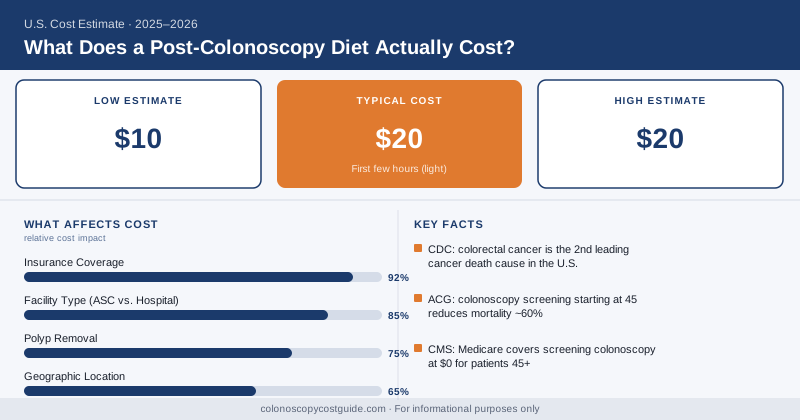
What Does a Post-Colonoscopy Diet Actually Cost?
{ if eq .Lang "zh" }{ else }{ end }What does a colonoscopy actually cost once the procedure itself is over? Most people forget there’s a small tail-end expense: what you eat for the next 24 hours matters, and it’s not free, even if it’s cheap.
Here’s the real dollar breakdown.
The Recovery Diet Cost Breakdown
| Recovery Stage | Typical Items | Approximate Cost |
|---|---|---|
| First few hours (light) | Broth, gelatin, clear juice, tea | $10 – $20 |
| Rest of day one (soft foods) | Crackers, toast, applesauce, yogurt | $10 – $20 |
| Day two (gradual return) | Rice, eggs, plain chicken, bananas | $15 – $25 |
| Optional electrolyte drinks | Sports drinks or oral rehydration packets | $5 – $15 |
Total realistic cost for the full recovery window: about $25–$60, most of which overlaps with groceries you’d buy anyway. This isn’t a medically billed expense — it’s just smart grocery planning.
Why the Diet Matters at All
Sedation and the bowel prep leading up to the procedure leave your GI tract irritated and your body somewhat dehydrated. The ASGE recommends easing back into normal eating gradually rather than jumping straight into a heavy or high-fiber meal, both to avoid nausea from lingering sedation and to let your bowel wall settle after any biopsies or polyp removal.
Key Takeaway
What You Don’t Need to Buy
Skip specialty “recovery” nutrition shakes or medical-grade supplements marketed for post-procedure recovery — they’re priced at a premium and offer nothing a regular grocery store soft-food plan doesn’t already provide, unless your doctor specifically prescribes something for an unrelated condition.
The Bigger Cost Context
Compared to the colonoscopy itself, which can run $1,200-$5,000 without insurance, a $25-$60 grocery bill for recovery food is a rounding error. Still, it’s worth planning ahead so you’re not scrambling or overspending on convenience food while recovering from sedation.
When to Call Your Doctor Instead of Just Eating Carefully
Persistent nausea, an inability to keep fluids down, or significant abdominal pain after eating aren’t diet problems — they’re medical questions. Don’t try to “eat through” symptoms that suggest a complication; call your GI office’s after-hours line instead.
Bottom Line
A post-colonoscopy diet costs $25-$60 in ordinary grocery items and requires no special medical food for a routine procedure. Stock your kitchen the day before, follow any specific instructions from your discharge paperwork, and the recovery period stays both cheap and comfortable.
{ if eq .Lang "zh" }