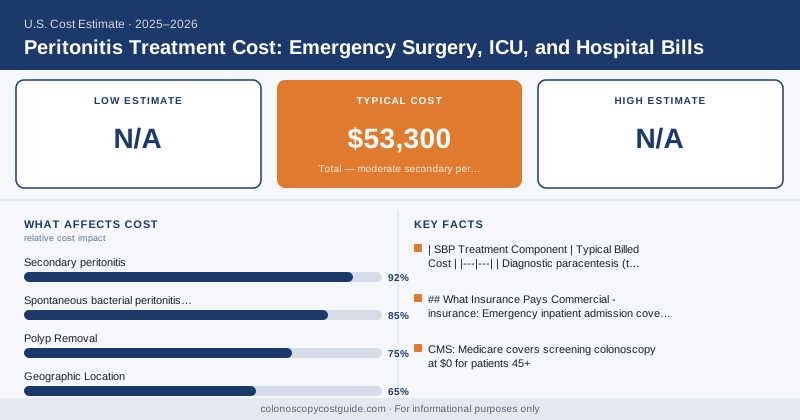
Peritonitis Treatment Cost: Emergency Surgery, ICU, and Hospital Bills
{ if eq .Lang "zh" }{ else }{ end }Most people think peritonitis is just a bad stomachache. It isn’t. It’s a life-threatening infection of the peritoneal cavity — the space lining your abdominal organs — and without emergency treatment, it’s fatal. The financial stakes match the medical ones.
Treatment for peritonitis almost always means emergency surgery, ICU-level care, and a week-plus hospitalization at minimum. The bill reflects that: even a relatively straightforward case runs $30,000–$60,000. A complex case with septic shock can exceed $200,000. Understanding where those numbers come from helps you — or your family — navigate a frightening situation.
What Causes Peritonitis and Why It Matters for Cost
There are two fundamentally different types, and they have different cost profiles:
Secondary peritonitis — contamination of the peritoneal cavity from a perforated organ:
- Perforated peptic ulcer (gastric acid and bacteria spill into the abdomen)
- Ruptured appendix (infected fecal content)
- Perforated diverticulitis (colonic bacteria)
- Perforated colon cancer
- Anastomotic leak after abdominal surgery
Spontaneous bacterial peritonitis (SBP) — bacterial infection of ascitic fluid in cirrhosis patients, with no perforation. No surgery required; antibiotics are the treatment. Much lower cost per episode, but very high recurrence rate.
Secondary Peritonitis: Emergency Surgery and Hospital Costs
Secondary peritonitis from a perforated organ requires emergency surgery. The OR gets the perforated source controlled, the abdomen irrigated of contamination, and drains placed. Speed matters — delays increase bacterial load, worsen sepsis, and drive up costs substantially.
| Secondary Peritonitis Component | Typical Billed Cost |
|---|---|
| Emergency department evaluation | $2,000 – $5,000 |
| CT abdomen/pelvis with contrast | $1,800 – $4,500 |
| Emergency surgery — OR facility fee | $18,000 – $50,000 |
| Surgeon fee (emergency laparotomy/laparoscopy) | $5,000 – $15,000 |
| Anesthesiologist fee | $2,500 – $6,000 |
| ICU admission (3–7 days, common in severe cases) | $9,000 – $42,000 |
| Medical floor hospital stay (5–10 days post-ICU) | $10,000 – $28,000 |
| IV antibiotics (broad-spectrum, 5–14 days inpatient) | $2,000 – $12,000 |
| Blood cultures, labs, imaging repeats | $2,000 – $6,000 |
| Abdominal drain management | $1,000 – $4,000 |
| Total — moderate secondary peritonitis | $53,300 – $172,500 |
The enormous range reflects one key variable: whether the patient develops septic shock. A patient who arrives with 12 hours of peritonitis symptoms, gets to the OR within 2 hours, and does well post-op faces the lower end of that range. A patient who waited 36 hours, arrives in shock requiring vasopressors, and spends a week in the ICU intubated faces the upper end — and possibly beyond.
Septic Shock: When ICU Costs Dominate
According to the Surviving Sepsis Campaign, peritonitis is among the most common intra-abdominal sources of sepsis in hospitalized patients. Once peritonitis progresses to septic shock, the cost picture shifts dramatically.
| Septic Shock from Peritonitis | Estimated Daily/Total Cost |
|---|---|
| ICU bed (daily rate, facility fee) | $3,500 – $8,000/day |
| Mechanical ventilation support | $1,500 – $4,000/day additional |
| Vasopressor medications (norepinephrine, etc.) | $500 – $2,000/day |
| Continuous renal replacement therapy (kidney failure) | $2,000 – $5,000/day |
| Re-operation (“take-back”) for persistent sepsis | $20,000 – $50,000 additional |
| Total ICU stay (10–21 days, severe septic shock) | $50,000 – $150,000 |
NIH and NEJM data consistently show that each hour of delay in surgical source control for intra-abdominal sepsis increases mortality risk. It also increases cost — the ICU days that follow a delayed surgery add tens of thousands of dollars compared to cases where the OR happens quickly.
Perforated Peptic Ulcer: A Specific Cost Breakdown
Perforated peptic ulcer is one of the most common causes of secondary peritonitis in the US, accounting for roughly 2–14 per 100,000 adults annually. The standard repair is a patch procedure (Graham patch) — a relatively quick laparoscopic or open operation to seal the hole with omentum.
Uncomplicated perforated ulcer treated laparoscopically within 6–12 hours of perforation:
- Surgery: $20,000–$45,000 in facility + surgeon fees
- 3–5 day hospital stay post-op: $10,000–$20,000
- IV antibiotics and PPI therapy: $1,000–$3,000
- Total: approximately $30,000–$65,000
Delayed presentation (>24 hours, diffuse fecal peritonitis): costs rise to $80,000–$200,000+ with ICU admission, multi-day vasopressor support, and possible re-operation.
Follow-up after recovery: H. pylori eradication therapy (if H. pylori-positive, which causes most ulcers) costs $300–$600 for a 14-day antibiotic regimen — a small investment that dramatically reduces ulcer recurrence risk.
Spontaneous Bacterial Peritonitis: Lower Acute Cost, High Recurrence Cost
SBP is an entirely different disease from secondary peritonitis, even though both end in “-itis.” It occurs in cirrhosis patients with ascites — the large abdominal fluid accumulations that accompany advanced liver disease. Bacteria from the gut translocate into that fluid and set up an infection.
There’s no perforated organ. No emergency surgery. Treatment is IV antibiotics, typically cefotaxime or ceftriaxone for 5–7 days, plus IV albumin infusion (shown to reduce renal failure risk in SBP patients).
| SBP Treatment Component | Typical Billed Cost |
|---|---|
| Diagnostic paracentesis (tap the ascites) | $800 – $2,500 |
| Hospital admission (5–8 days) | $12,000 – $30,000 |
| IV cefotaxime or ceftriaxone (5–7 days) | $1,000 – $4,000 |
| IV albumin infusion (day 1 and day 3) | $2,000 – $6,000 |
| Daily labs and monitoring | $1,000 – $3,000 |
| Total per SBP episode | $16,800 – $45,500 |
Here’s the brutal financial reality for SBP patients: the recurrence rate is 70% at one year without prophylactic antibiotics, according to a landmark study in Hepatology. Each episode is another hospitalization. Patients with cirrhosis and recurrent SBP accumulate $50,000–$150,000 in hospitalizations per year if not on prophylaxis — or if their liver disease progresses to where prophylaxis fails.
Long-term oral norfloxacin prophylaxis (the standard prevention) costs $30–$80/month — one of medicine’s better cost-effectiveness ratios. Liver transplant evaluation becomes a consideration for SBP patients, given the poor prognosis: one-year mortality after a first SBP episode approaches 30%.
What Insurance Pays
Commercial insurance:
- Emergency inpatient admission covered after deductible ($1,000–$4,000)
- Coinsurance applies until OOP maximum; complex peritonitis/ICU stays almost universally reach the annual OOP max ($9,200 individual in 2026)
- Insured patients’ realistic out-of-pocket: $3,000–$9,200 for a typical admission; more if the stay spans two calendar years (two separate deductibles)
Medicare:
- Part A covers ICU and hospital stay after the inpatient deductible ($1,676 per benefit period in 2025)
- Part B covers surgeon and anesthesiologist at 80% after Part B deductible
- Extended ICU stays (>60 days) trigger daily coinsurance; Medigap or Medicare Advantage plans can cap this exposure
Medicaid:
- Covers all emergency treatment; minimal to no cost-sharing
Uninsured:
- Chargemaster billing ($50,000–$200,000+) — apply immediately for hospital financial assistance; nonprofit hospitals are legally required to have charity care programs
- State Medicaid offices can process retroactive applications for eligible patients
Reducing Exposure After Peritonitis
The best financial strategy with peritonitis is speed: every hour of delay increases surgical complexity, ICU time, and total cost. But after discharge, a few moves help:
- Appeal out-of-network bills immediately using the No Surprises Act if you received emergency care at an out-of-network facility
- Request an itemized bill — complex ICU hospitalizations routinely contain billing errors; audits by patient advocates find average errors of $1,200 per hospital stay
- Apply for charity care within 30–90 days of discharge — the window varies by hospital but is always available at nonprofits
- SBP patients: enroll in prophylaxis to prevent next hospitalization — this is the single most cost-effective intervention available
Peritonitis is survivable. The costs are manageable with insurance. The financial damage comes from delays — in seeking care, in surgical intervention, and in prevention.
{ if eq .Lang "zh" }