Pancreatitis Treatment Cost: Acute and Chronic Pancreatitis Medical Bills
Imagine your pancreas as a kitchen that’s turned its cooking enzymes on itself. That’s essentially what pancreatitis is — and the severity of that self-digestion determines whether your hospital bill is $10,000 or $200,000.
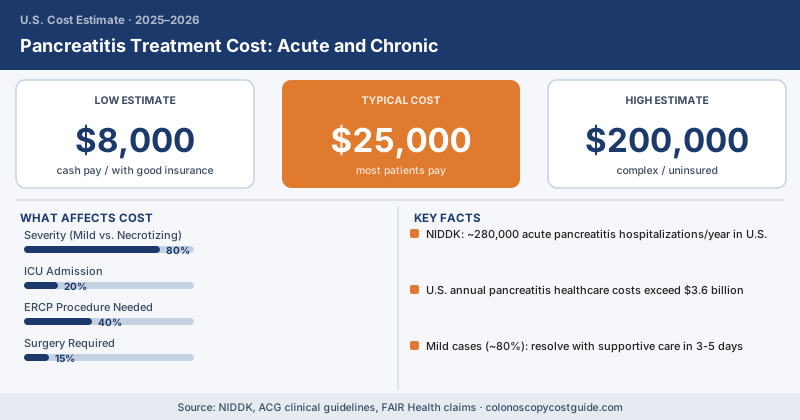
Pancreatitis ranks among the most common GI diagnoses requiring hospitalization in the United States. The National Institute of Diabetes and Digestive and Kidney Diseases (NIDDK) estimates acute pancreatitis causes approximately 280,000 hospital admissions each year in the US, with annual healthcare costs exceeding $3.6 billion. The per-patient cost swings wildly based on severity.
Acute Pancreatitis: The Cost Tiers
Acute pancreatitis is categorized by severity — and severity determines treatment intensity and cost more than almost any other factor in GI medicine.
Mild Acute Pancreatitis (Most Common — ~80% of Cases)
Mild pancreatitis resolves with supportive care: IV fluids, pain control, and bowel rest. No necrosis, no organ failure.
| Mild Pancreatitis Component | Typical Cost |
|---|---|
| ER evaluation and CT scan | $2,500 – $6,000 |
| Hospital admission (3–5 days) | $5,000 – $15,000 |
| IV fluids, pain management, monitoring | Included in per-diem |
| Amylase/lipase labs, metabolic panel | $200 – $600 |
| GI or hospitalist physician fees | $500 – $1,500 |
| Total (mild) | $8,000 – $22,000 |
The average length of stay for mild acute pancreatitis is 3–5 days. At a typical US hospital, the daily room and board charge alone runs $2,000–$5,000 before professional fees and ancillary services.
Moderate Acute Pancreatitis
Moderate pancreatitis involves local complications (fluid collections, early necrosis) or transient organ failure. It often requires a longer hospitalization and may need additional procedures.
- Hospitalization: 7–14 days: $20,000–$60,000
- Abdominal CT with contrast (follow-up imaging): $1,500–$4,000 per scan
- Possible ERCP if gallstones are involved: $5,000–$15,000
- Nutritional support (enteral feeding via nasojejunal tube): $1,000–$3,000
Severe Necrotizing Pancreatitis
When pancreatitis becomes necrotizing — where portions of pancreatic tissue die — costs escalate dramatically. Infected necrotizing pancreatitis requires drainage, debridement, and often prolonged ICU care.
| Severe Pancreatitis Component | Estimated Cost |
|---|---|
| ICU admission (per day) | $3,000 – $10,000 |
| ICU stay (2–4 weeks average) | $50,000 – $280,000 |
| Endoscopic necrosectomy (per session) | $8,000 – $20,000 |
| Percutaneous drainage procedure | $5,000 – $15,000 |
| Surgery (open necrosectomy or debridement) | $30,000 – $80,000 |
| Mechanical ventilation (per day) | $1,500 – $5,000 |
| Total (severe, complicated) | $100,000 – $500,000+ |
Organ failure — particularly acute respiratory distress syndrome (ARDS) or acute kidney injury — can push total hospital charges to half a million dollars or more in the most severe cases. Patients who survive severe necrotizing pancreatitis may require months of rehabilitation and long-term enzyme therapy.
The Gallstone Factor: Additional Procedures
Gallstone pancreatitis occurs when a gallstone lodges in the common bile duct and obstructs the flow of pancreatic enzymes. It’s the most common cause of acute pancreatitis, and it requires additional treatment beyond supportive care.
- ERCP (to remove the obstructing stone): $5,000–$15,000
- Laparoscopic cholecystectomy (gallbladder removal to prevent recurrence): $7,000–$20,000
- These are typically done during the same hospitalization or shortly after, adding $12,000–$35,000 to the baseline pancreatitis treatment cost
The ACG guidelines are clear: patients who have gallstone pancreatitis should have their gallbladder removed before discharge or within 2 weeks to prevent a recurrence. Readmission for recurrent gallstone pancreatitis costs the same as the original episode — and the next one can be worse.
The Out-of-Pocket Maximum Backstop
Chronic Pancreatitis: The Long-Term Cost Burden
Chronic pancreatitis — ongoing inflammation leading to permanent pancreatic damage — requires lifetime management. This includes:
Pancreatic enzyme replacement therapy (PERT):
- Brand name Creon: $400–$1,200/month without insurance
- With insurance: $50–$200/month depending on copay tier
- Generic alternatives not currently available in the US (brand patent)
Ongoing specialist care:
- GI or pancreatic specialist visits: $250–$600 per visit, 2–4 times/year
- CT or MRI abdomen (disease monitoring): $800–$3,500 per scan
- Endoscopic ultrasound (EUS) for duct assessment: $2,000–$6,000
Endoscopic procedures for pain management:
- ERCP with stenting for pancreatic duct dilation: $6,000–$15,000
- Celiac plexus block (pain management): $3,000–$8,000
Surgery (for patients with refractory pain or complications):
- Pancreaticoduodenectomy (Whipple procedure): $50,000–$150,000
- Longitudinal pancreaticojejunostomy (Puestow procedure): $30,000–$80,000
Annual cost for chronic pancreatitis management ranges from $5,000 to $30,000 for patients with moderate disease — and significantly more during exacerbations requiring hospitalization.
What Medicare and Medicaid Pay
Pancreatitis treatment is fully covered by Medicare and Medicaid as a medically necessary condition. For Medicare patients:
- Hospital stays covered under Part A after the Part A deductible ($1,676/benefit period in 2025)
- After 60 days, Medicare coinsurance kicks in at $419/day
- Procedures (ERCP, endoscopy) covered under Part B with 20% coinsurance
Medigap plans cover most of the Medicare gaps. For severe pancreatitis cases, the financial exposure for a Medicare beneficiary without Medigap can be substantial — a 30-day ICU stay can trigger significant daily coinsurance charges beyond the 60-day Part A coverage threshold.