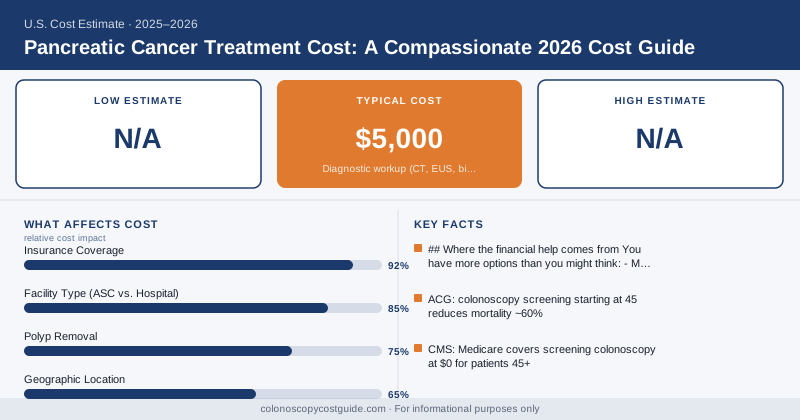
Pancreatic Cancer Treatment Cost: A Compassionate 2026 Cost Guide
{ if eq .Lang "zh" }{ else }{ end }If you or someone you love is facing a pancreatic cancer diagnosis, the last thing you should have to worry about is decoding a medical bill. But money is real, and being prepared can ease at least one source of stress during an overwhelming time. So let’s talk honestly and clearly about the costs, and about the help that exists.
The American Cancer Society estimated more than 66,000 new pancreatic cancer cases in the U.S. in a recent year. Every one of those is a person and a family, and many of them are navigating these exact questions.
What drives the total cost
Pancreatic cancer treatment is rarely one bill. It’s surgery, chemotherapy, imaging, hospital stays, and supportive care, layered over months. The biggest factors are the stage at diagnosis and which treatments your team recommends.
| Treatment Component | Typical Cost (Before Insurance) |
|---|---|
| Diagnostic workup (CT, EUS, biopsy) | $5,000 – $20,000 |
| Whipple surgery | $50,000 – $150,000 |
| Distal pancreatectomy | $40,000 – $90,000 |
| Chemotherapy (per year) | $30,000 – $150,000 |
| Radiation therapy | $15,000 – $60,000 |
| Hospital stays / complications | $20,000 – $100,000+ |
Diagnosis: the first costs
Confirming pancreatic cancer usually involves imaging and a tissue sample. An endoscopic ultrasound with biopsy is a common step because it lets doctors both see and sample the tumor. CT and MRI scans help with staging. These diagnostic costs alone can reach $5,000 to $20,000.
Blood work, including tumor markers and liver function tests, is part of monitoring throughout treatment, since pancreatic tumors can affect the bile ducts and liver.
Key Takeaway
Surgery: the Whipple and beyond
For tumors that can be removed, surgery offers the best chance. The Whipple procedure, which removes the head of the pancreas and nearby structures, is one of the most complex abdominal operations there is. It costs $50,000 to $150,000 and involves a significant hospital stay.
Not every patient is a surgical candidate, and that’s an important conversation to have with your team. When surgery isn’t possible, treatment focuses on chemotherapy and supportive care.
Chemotherapy and radiation
Chemotherapy is often the backbone of pancreatic cancer treatment, whether before surgery, after, or as the main therapy. Common regimens can cost $30,000 to $150,000 a year depending on the drugs. Radiation, when used, adds $15,000 to $60,000.
Sometimes a tumor blocks the bile duct, and a stent is placed during an ERCP to relieve jaundice, an additional but important supportive cost.
Where the financial help comes from
You have more options than you might think:
- Manufacturer copay assistance for expensive chemo drugs
- Hospital charity care programs that reduce or forgive bills based on income
- The Pancreatic Cancer Action Network (PanCAN) and cancer nonprofits offering grants
- Medicare and Medicaid coverage, with supplemental plans capping costs
- Clinical trials, which may cover the cost of cutting-edge treatment
Most insured patients will hit their annual out-of-pocket maximum, often $6,000 to $9,000, after which the plan covers the rest for that year.
The bottom line
Pancreatic cancer treatment is among the most expensive in medicine, frequently totaling $100,000 to $500,000 or more before insurance. But what you actually pay is shaped by your coverage and the assistance you tap into. The most important step, beyond the medicine itself, is connecting early with a financial navigator who can help carry this weight so you and your family can focus on what matters most.
{ if eq .Lang "zh" }