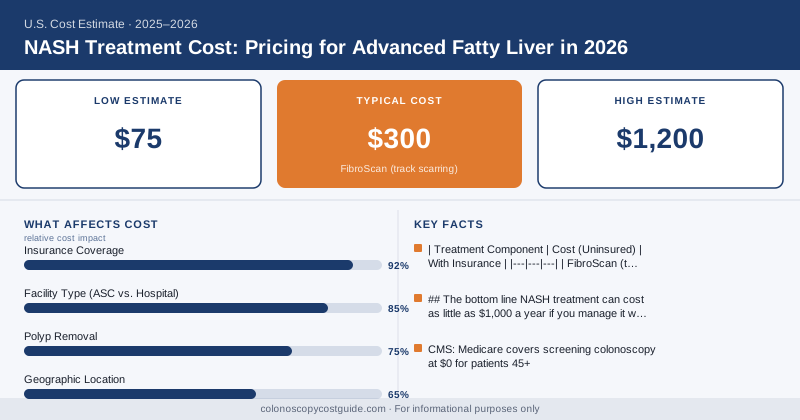
NASH Treatment Cost: Pricing for Advanced Fatty Liver in 2026
{ if eq .Lang "zh" }{ else }{ end }For decades, doctors diagnosing NASH had nothing to offer but “lose weight and come back in six months.” That changed in 2024, when the FDA approved the first medication aimed specifically at NASH-related liver scarring. It was a milestone for patients, and a brand-new line on the cost sheet.
NASH, nonalcoholic steatohepatitis, is the aggressive form of fatty liver where fat buildup triggers inflammation and scarring. The NIDDK notes that nonalcoholic fatty liver disease affects roughly a quarter of U.S. adults, and a meaningful slice of those progress to NASH. Here’s what treating it costs now.
NASH vs. plain fatty liver: why it costs more
Simple fatty liver often needs nothing but lifestyle change. NASH is different. The inflammation and scarring mean closer monitoring, more specialist involvement, and now, potentially, medication. If you’ve read our fatty liver disease treatment cost guide, NASH sits at the more expensive end of that same spectrum.
| Treatment Component | Cost (Uninsured) | With Insurance |
|---|---|---|
| FibroScan (track scarring) | $300 – $1,200 | $75 – $300 |
| Liver biopsy (if needed) | $1,500 – $6,000 | $500 – $1,800 |
| FDA-approved NASH drug | $2,000 – $5,000/mo | varies widely |
| Off-label meds (vit E, GLP-1, etc.) | $4 – $1,200/mo | varies |
| Hepatologist visits | $200 – $450 each | $30 – $75 copay |
| Annual monitoring | $600 – $2,500 | $300 – $1,000 |
Diagnosis and staging
Confirming NASH and measuring its severity is where a lot of early cost lives. You’ll get liver function tests and an abdominal ultrasound first. To gauge scarring, doctors increasingly use a FibroScan rather than jumping to a liver biopsy, which spares both discomfort and cost. A biopsy is reserved for unclear cases.
Key Takeaway
The new medication and its cost
The first FDA-approved NASH drug carries a list price in the thousands of dollars per month. That number is alarming on its own, but it’s rarely what patients actually pay. Insurance coverage, prior authorization, and manufacturer copay assistance programs can bring real out-of-pocket costs down sharply, sometimes to a manageable monthly copay.
To qualify, you’ll typically need documented liver scarring (often confirmed by FibroScan or biopsy), which is part of why staging matters so much.
Off-label and adjunct treatments
Many NASH patients are also managed with medications targeting related conditions, vitamin E for some, GLP-1 drugs for weight and metabolic control, and treatments for diabetes and cholesterol. Costs here range from a few dollars for generics to over $1,000 a month for newer weight-loss drugs.
Ongoing monitoring
NASH requires regular follow-up, blood work, periodic FibroScans to track scarring, and screening for complications if fibrosis is advanced. Budget $300 to $1,000 a year for monitoring with insurance. Patients with significant scarring also need liver cancer surveillance, adding imaging costs.
How to manage the cost
- Prioritize weight loss, it’s free and remains the most effective intervention.
- Use FibroScan instead of biopsy when possible to track scarring affordably.
- Pursue copay assistance before assuming the new drug is out of reach.
- Treat related conditions together so visits and labs do double duty.
The bottom line
NASH treatment can cost as little as $1,000 a year if you manage it with lifestyle and monitoring, or jump past $20,000 before insurance if you’re on the newer FDA-approved medication. What you actually pay depends heavily on your coverage and assistance programs. Whatever your path, weight loss remains the cheapest and most powerful tool, and the surest way to keep NASH, and your bills, from getting worse.
{ if eq .Lang "zh" }