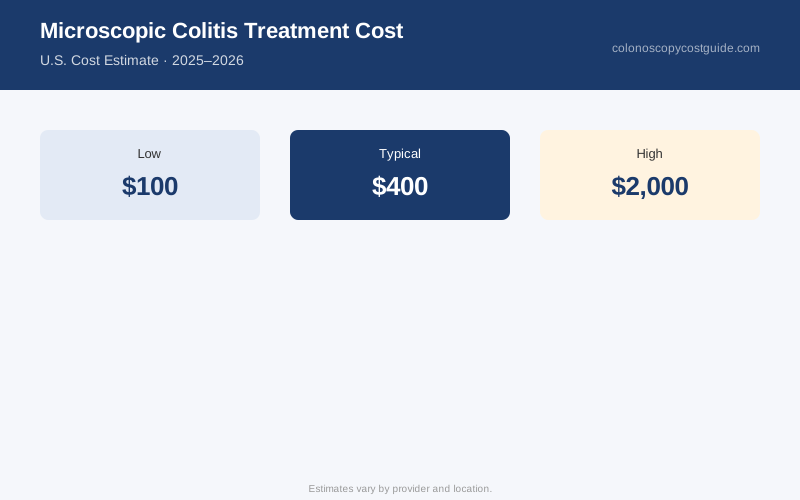
Microscopic Colitis Treatment Cost: Diagnosis to Long-Term Management
Most patients with microscopic colitis get diagnosed only after months of mysterious watery diarrhea — because the colon looks completely normal during colonoscopy. The diagnosis only comes from biopsy. That path from symptoms to confirmed diagnosis to effective treatment carries real costs, and most patients have no idea what to expect.
Here’s the full picture.
What Is Microscopic Colitis?
Microscopic colitis is an inflammatory bowel condition where the colon lining looks visually normal but shows abnormal cell patterns under a microscope. There are two subtypes: collagenous colitis (with a thick collagen band in the tissue) and lymphocytic colitis (with excess lymphocytes). The American College of Gastroenterology (ACG) estimates prevalence at roughly 100–200 cases per 100,000 adults, with incidence rising significantly after age 50.
The condition is strongly associated with NSAID use, proton pump inhibitors, and SSRIs — meaning medication history is a critical part of evaluation.
The Diagnostic Cost Path
Getting to a microscopic colitis diagnosis typically involves several steps, each with its own bill.
| Diagnostic Step | Typical Cost (Uninsured) |
|---|---|
| Office visit with GI specialist | $200 – $450 |
| Colonoscopy (facility + physician) | $1,500 – $4,500 |
| Biopsy / pathology (multiple specimens) | $300 – $900 |
| Basic stool tests (C. diff, culture, ova/parasites) | $150 – $500 |
| Blood work (CBC, CRP, fecal calprotectin) | $100 – $350 |
| Total diagnostic workup | $2,250 – $6,700 |
Insurance typically covers all of these when ordered for chronic diarrhea symptoms. Your out-of-pocket depends on deductible status and copay structure.
Treatment Costs: First-Line and Beyond
Budesonide is the gold-standard first-line treatment — a corticosteroid that acts locally in the gut with minimal systemic absorption. It’s highly effective, with the ACG reporting remission rates of 80–90% in clinical trials.
Budesonide (Entocort EC or generic):
- Brand-name Entocort EC: $400–$600/month
- Generic budesonide 3mg capsules: $30–$80/month with GoodRx or Mark Cuban’s Cost Plus Drugs
- Typical treatment course: 6–8 weeks induction, then taper
That’s a huge cost difference. If your doctor prescribes budesonide, ask specifically for the generic and check GoodRx before filling at your pharmacy. The savings are significant.
Second-line and maintenance options:
| Medication | Monthly Cost (Generic/GoodRx) | Monthly Cost (Brand) |
|---|---|---|
| Budesonide 3mg (generic) | $30 – $80 | $400 – $600 |
| Bismuth subsalicylate (Pepto-Bismol) | $10 – $25 | N/A |
| Cholestyramine | $20 – $50 | $80 – $150 |
| Mesalamine (5-ASA) | $80 – $200 | $300 – $600 |
| Prednisone (if budesonide unavailable) | $5 – $15 | N/A |
Long-Term Management Costs
Microscopic colitis is often relapsing-remitting. About 40–50% of patients require repeat treatment courses or maintenance therapy, according to a 2021 study in Gastroenterology. Long-term management costs depend heavily on:
- Relapse frequency: Each flare may need another 6–8 week budesonide course
- Follow-up colonoscopies: Every 2–5 years to monitor for changes, or sooner with symptom recurrence
- GI office visits: Typically 1–2 per year during active disease, annually in remission
Annual ongoing costs in remission: $300–$1,500 (follow-up visits + medications). Annual ongoing costs during active disease: $1,000–$4,000+ depending on treatment response.
Insurance Coverage
Microscopic colitis is a recognized, codeable diagnosis (ICD-10: K52.838 for collagenous colitis; K52.839 for lymphocytic colitis). All major insurers cover diagnostic colonoscopy for chronic diarrhea symptoms. Most cover budesonide — though some require step therapy through less expensive agents (bismuth or cholestyramine) first.
Prior authorization tip: Mesalamine for microscopic colitis may be denied by some payers since it’s primarily indicated for ulcerative colitis. Get documentation of failed first-line therapy before submitting.
What the Diagnosis Actually Costs Most Patients
With insurance: most patients pay $200–$800 out of pocket for the diagnostic colonoscopy and biopsy (after deductible/copay), plus $10–$60/month for generic budesonide with insurance coverage.
Without insurance: the diagnostic workup runs $2,500–$6,000, though self-pay rates, hospital charity care, and federally qualified health centers can cut that substantially.
The good news: once properly diagnosed, microscopic colitis is highly treatable. Generic budesonide is inexpensive, and many patients achieve long-term remission — meaning your ongoing cost can drop to nearly zero after the initial treatment course.
Finding Affordable GI Care
- Federally Qualified Health Centers (FQHCs): Offer GI referrals on sliding-scale fees. Find one at findahealthcenter.hrsa.gov.
- Teaching hospitals: GI fellows supervised by attendings often perform colonoscopies at lower self-pay rates.
- Manufacturer coupons: AstraZeneca (Entocort) and Bausch Health offer copay assistance cards for insured patients who still face high cost-sharing.
The path to diagnosis isn’t cheap, but the treatment absolutely can be — especially with generics and a GI team that knows the options.