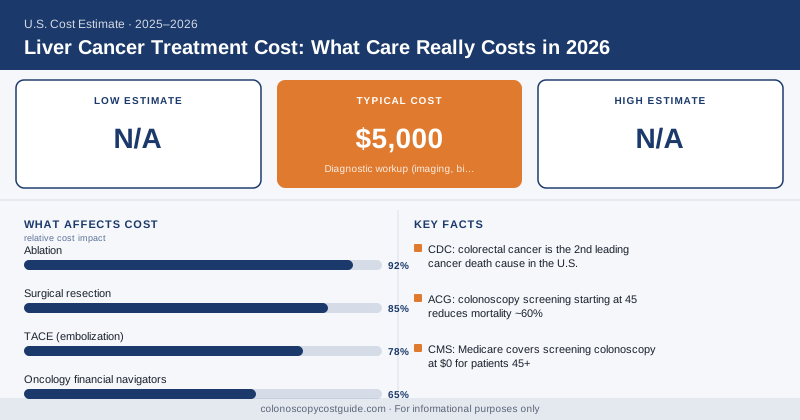
Liver Cancer Treatment Cost: What Care Really Costs in 2026
{ if eq .Lang "zh" }{ else }{ end }A liver cancer diagnosis brings a flood of medical decisions, and right behind them come the financial ones. If you’re trying to understand what treatment might cost, you’re doing something brave and practical. Knowing the numbers, and the help available, can take a little weight off your shoulders during a hard time.
The American Cancer Society reported more than 40,000 new cases of liver cancer in the U.S. in a recent year, and rates have been rising for decades, largely tied to hepatitis and fatty liver disease. Here’s what care typically costs.
Treatment depends on stage and liver health
Liver cancer is unusual because treatment hinges on two things at once: the tumor and how well the rest of your liver still works. Someone with healthy liver tissue has more options than someone with advanced cirrhosis. That’s why your costs can look very different from another patient’s.
| Treatment | Typical Cost (Before Insurance) |
|---|---|
| Diagnostic workup (imaging, biopsy) | $5,000 – $20,000 |
| Ablation (RFA / microwave) | $15,000 – $40,000 |
| Surgical resection | $40,000 – $100,000 |
| TACE / embolization | $20,000 – $50,000 per session |
| Targeted therapy / immunotherapy | $120,000 – $250,000 per year |
| Liver transplant (total first year) | $500,000 – $800,000+ |
Diagnosis and monitoring
Liver cancer is often found through surveillance in people already known to have cirrhosis or chronic hepatitis C. Diagnosis involves imaging and frequently a liver biopsy, plus ongoing liver function tests to track how the liver is holding up. The diagnostic phase alone can run $5,000 to $20,000.
Key Takeaway
Procedure-based treatments
For tumors caught early, several procedures can treat the cancer directly:
- Ablation burns or freezes small tumors, $15,000 to $40,000.
- Surgical resection removes the tumor-containing portion of liver, $40,000 to $100,000.
- TACE (embolization) delivers chemo and blocks the tumor’s blood supply, $20,000 to $50,000 per session, and patients often need several.
These targeted approaches are far less costly than long-term systemic drugs, which is another reason early detection matters financially.
Drug therapy: the recurring big cost
For advanced liver cancer, targeted drugs and immunotherapy are the mainstay. These can cost $10,000 to $20,000 a month, adding up to well over $100,000 a year. The upside is that manufacturer assistance programs frequently cover a large share for eligible patients.
Transplant: the most expensive option
For some patients with early cancer and a failing liver, a transplant can treat both problems at once. It’s also the priciest path, with total first-year costs often exceeding $800,000. If a transplant is on the table, you’ll go through a separate evaluation process, and a transplant center’s financial team will walk you through coverage.
Where to find financial help
- Oncology financial navigators at your cancer center
- Manufacturer copay assistance for targeted and immunotherapy drugs
- The American Liver Foundation and cancer nonprofits offering grants
- Hospital charity care based on income
- Clinical trials, which may cover treatment costs
Most insured patients hit their annual out-of-pocket maximum, often $6,000 to $9,000, after which their plan covers the remainder for the year.
The bottom line
Liver cancer treatment can range from around $40,000 for early procedural care to $400,000 or more for advanced therapy or transplant. What you actually pay depends on your coverage and the assistance you access. The single most powerful cost-saver, if you’re at risk, is sticking with screening so any cancer is caught early, when treatment is cheaper, gentler, and far more likely to work.
{ if eq .Lang "zh" }