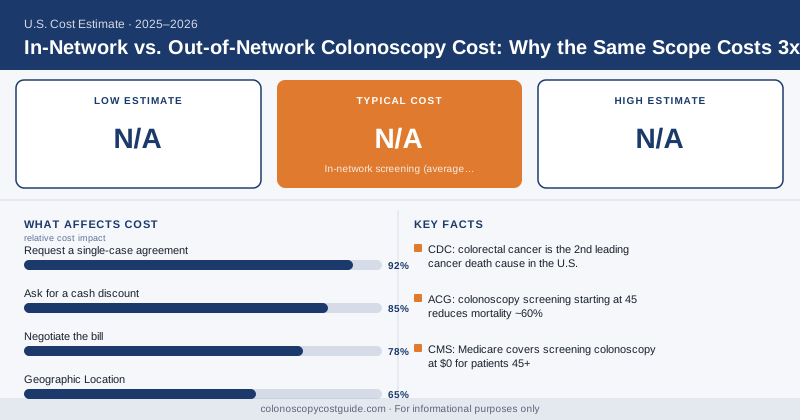
In-Network vs. Out-of-Network Colonoscopy Cost: Why the Same Scope Costs 3x More
{ if eq .Lang "zh" }{ else }{ end }The exact same colonoscopy, performed by the exact same doctor, can cost you $0 or $3,500 — and the only thing that changed is a word on your insurance card: network. It’s the most expensive detail people forget to check.
In-network means your provider has a contracted rate with your insurer. Out-of-network means they don’t, and you’re exposed to the full billed charge minus whatever your plan decides to pay. For a colonoscopy, that gap is brutal. Here’s how it plays out.
The Same Procedure, Two Wildly Different Bills
When a screening colonoscopy is fully in-network, ACA preventive rules require most plans to cover it at $0 for average-risk adults. Go out-of-network, and those protections weaken or vanish — your plan may pay a fraction of the “allowed amount” and leave you owing the rest.
| Scenario | What You Likely Owe |
|---|---|
| In-network screening (average risk) | $0 |
| In-network diagnostic (deductible not met) | $500 – $1,500 |
| Out-of-network screening | $1,500 – $3,500 |
| Out-of-network diagnostic | $2,000 – $4,500+ |
The numbers aren’t exaggerated. KFF research on medical billing has repeatedly found that out-of-network charges run far above in-network contracted rates for the same service, and patients get balance-billed for the difference. Our colonoscopy cost guide shows what the procedure bills before any network adjustment.
Key Takeaway
The Sneakiest Trap: Out-of-Network Within In-Network
You can do everything right — pick an in-network facility and an in-network GI doctor — and still get blindsided. How? The anesthesiologist or pathologist may not be in your network even though the facility is. They bill separately, and that single out-of-network provider can generate a four-figure surprise bill.
The federal No Surprises Act, in effect since 2022, now shields patients from many of these surprise out-of-network charges at in-network facilities. But it doesn’t cover every situation, and disputes still happen. If you get balance-billed, push back and cite the law. Our guide on the out-of-network anesthesia colonoscopy bill walks through exactly what to do.
How to Verify Network Status (Do This Before You Schedule)
- Call your insurer with your specific plan and ask which colonoscopy providers and facilities are in-network.
- Call the facility and get the names and tax ID numbers of the GI doctor, the anesthesia group, and the pathology lab.
- Cross-check each one with your insurer — not just the doctor, but everyone who will bill.
- Get it in writing. A verbal “you’re covered” is worth nothing when the bill arrives.
This 30-minute phone session is the single highest-value thing you can do to control your cost.
What If My Only Option Is Out-of-Network?
It happens — rural areas, specialized GI care, or narrow networks. If you must go out-of-network:
- Request a single-case agreement from your insurer for an in-network rate.
- Ask for a cash discount and compare it to your out-of-network responsibility.
- Negotiate the bill after the fact; out-of-network charges are often the most negotiable.
Our colonoscopy cost without insurance guide covers cash-pay tactics that also work for out-of-network situations.
The Bottom Line
In-network is the difference between a free screening and a multi-thousand-dollar bill. Confirm every provider — facility, GI, anesthesia, and pathology — is in your network before the procedure, and lean on the No Surprises Act if a stray out-of-network charge sneaks in. If a bill still shows up wrong, our how to lower your colonoscopy bill guide shows how to fight it.
{ if eq .Lang "zh" }