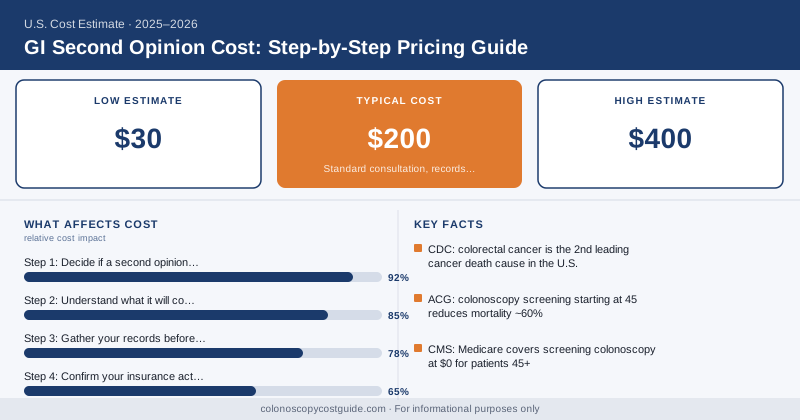
GI Second Opinion Cost: Step-by-Step Pricing Guide
{ if eq .Lang "zh" }{ else }{ end }Step 1: Decide if a second opinion is actually warranted.
Big diagnosis, a recommendation for surgery, an unclear biopsy result, or simply a gut feeling that something wasn’t fully explained — any of these are good reasons. A second opinion isn’t an insult to your current doctor; it’s a normal part of managing serious GI conditions.
Step 2: Understand what it will cost.
| Second Opinion Type | Cash Price | With Insurance |
|---|---|---|
| Standard consultation, records review | $200 – $400 | $30 – $75 copay |
| Complex case (surgery recommendation, cancer) | $350 – $600 | $30 – $75 copay |
| Academic medical center specialist review | $400 – $700 | $40 – $100 copay |
| Virtual/telehealth second opinion | $150 – $300 | $20 – $50 copay |
Step 3: Gather your records before you book.
Request copies of your colonoscopy report, any biopsy or pathology results, and relevant imaging from your original provider’s office. Most offices are legally required to provide these within a reasonable time frame, and having them ready keeps your second-opinion visit efficient rather than starting from scratch.
Step 4: Confirm your insurance actually covers it.
Key Takeaway
Step 5: Choose where to get it.
A general gastroenterologist at a different practice is often sufficient and more affordable. For complex diagnoses like inflammatory bowel disease requiring a treatment escalation decision, an IBD subspecialist may be worth the higher cash rate. For cancer-related findings, a dedicated second opinion program at a cancer center is often the strongest option.
Step 6: Watch for this common mistake.
Step 7: Use the visit well.
Bring specific questions: “Do you agree with the diagnosis?” “Would you recommend the same treatment or procedure?” “Is there an alternative approach I should consider?” A focused second opinion visit gets you real clarity in one appointment rather than an open-ended, more expensive back-and-forth.
Step 8: Decide what to do with the answer.
If the second opinion confirms your original doctor’s plan, you’ve bought valuable peace of mind for a few hundred dollars. If it differs meaningfully, you now have grounds for a more informed conversation with your original provider, or a reason to switch care to the second doctor entirely.
Bottom Line
A GI second opinion typically costs $200-$600 cash or a standard specialist copay with insurance, and it’s one of the more valuable dollars you can spend before a major diagnosis or surgical decision. Gather your records first, confirm coverage, and avoid unnecessary repeat testing to keep the cost contained.
{ if eq .Lang "zh" }