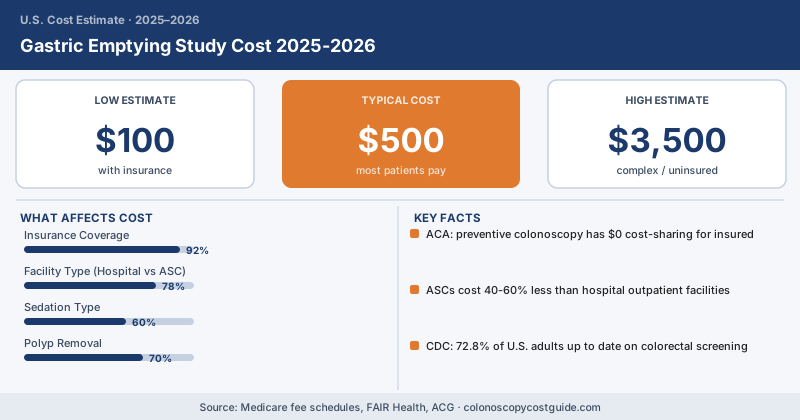
Gastric Emptying Study Cost: What to Expect With and Without Insurance
You feel full after three bites. Food sits in your stomach for hours. Your doctor suspects gastroparesis and orders a gastric emptying study. Then you notice the test requires a nuclear medicine facility, takes 4 hours, and the price you’re quoted over the phone is $2,800. That number is real — but so is the fact that most insured patients pay $100 to $600 out of pocket when billed correctly.
Gastroparesis affects an estimated 5 million Americans, according to a 2021 Gastroenterology study, though many cases go undiagnosed for years. The gastric emptying scintigraphy (GES) study is the gold standard diagnostic test — and understanding its costs upfront prevents billing surprises later.
What a Gastric Emptying Study Involves
A standard gastric emptying scintigraphy study works like this: you eat a standardized meal (typically scrambled eggs) with a small amount of radiolabeled material mixed in. A gamma camera takes images of your stomach at intervals — at 1 hour, 2 hours, and 4 hours post-meal. The images show how quickly (or slowly) your stomach empties its contents.
The test requires:
- A nuclear medicine facility with gamma camera equipment
- Radioactive tracer (technetium-99m) mixed into the test meal
- A nuclear medicine technologist and radiologist to perform and interpret the scan
That specialized equipment and staffing is what drives the cost higher than a standard imaging test like an abdominal ultrasound.
| Setting | Typical Billed Charge | Medicare Reimbursement | Self-Pay Range |
|---|---|---|---|
| Hospital outpatient radiology | $1,800–$3,500 | $350–$500 | $600–$1,200 (negotiated) |
| Freestanding imaging center | $900–$1,800 | $280–$420 | $350–$700 |
| Academic medical center | $2,200–$4,000 | $350–$500 | $800–$1,400 |
| VA facility | $0 (covered for eligible veterans) | N/A | N/A |
How Gastric Emptying Studies Are Billed
The study is typically billed under two CPT codes:
- CPT 78264 (gastric emptying imaging study, with small bowel and colon transit): The most common code for the 4-hour protocol
- CPT 78262 (gastric emptying imaging study, without transit): Used for shorter studies
Additionally, there’s usually a separate charge for:
- The radiologist’s interpretation fee (professional component)
- The radioactive tracer material (usually bundled into the facility fee)
Expect two separate charges: a facility/technical fee and a physician interpretation fee. They may come from different billing entities — make sure both providers are in your network before scheduling.
Insurance Coverage for Gastric Emptying Studies
Most commercial insurance plans and Medicare cover gastric emptying studies when they’re medically necessary — meaning your doctor has documented relevant symptoms (nausea, vomiting, early satiety, bloating) or a suspected diagnosis (gastroparesis, post-surgical gastric motility disorders).
The key word is “medically necessary.” If you’re undergoing the test because of unexplained symptoms with a clear clinical rationale, coverage is typically approved without difficulty. Prior authorization is required by many plans — your ordering physician’s office should handle this, but verify before scheduling.
Medicare coverage: Medicare Part B covers gastric emptying scintigraphy as a diagnostic imaging service when ordered by your physician. You pay the standard Part B 20% coinsurance after the $257 Part B deductible (2025). At Medicare’s reimbursement rate of approximately $350 to $500 for the full study, your 20% coinsurance is typically $70 to $100 — far less than the billed charge would suggest.
Ask for the Medicare Rate Even If You're Not on Medicare
The 4-Hour Protocol: Why the Time Commitment Matters
The clinically validated standard for gastroparesis diagnosis is the 4-hour gastric emptying study protocol endorsed by the Society of Nuclear Medicine. Many facilities used to perform only 1- or 2-hour studies, which miss delayed emptying in a significant percentage of patients.
If your facility offers only a 2-hour protocol, the test may be cheaper but it’s more likely to produce a false normal result. A 2020 paper in the American Journal of Gastroenterology found that using a 2-hour endpoint alone misclassified 40% of patients compared to the 4-hour endpoint. Ask your ordering physician whether the 4-hour protocol is available at the facility they’re recommending.
Alternatives and Related Tests
Wireless motility capsule (SmartPill): A non-nuclear alternative that measures gastric emptying via a swallowed capsule with pressure and pH sensors. Billed under CPT 91112. List price $3,500 to $5,000; Medicare reimburses approximately $900 to $1,200. Some insurers consider it investigational and may deny coverage — prior authorization is critical.
Breath testing: Carbon-13 labeled octanoate breath test (C13-GES) is a non-radioactive alternative, but it’s less widely available and not universally covered by insurance. Cost ranges from $200 to $600 where available.
Abdominal ultrasound: Can assess gastric motility but is not considered a diagnostic standard for gastroparesis. Much cheaper ($200–$600) but not a substitute for scintigraphy. See the abdominal ultrasound cost article for that pricing.
| Test | CPT Code | Medicare Rate | Insurance Coverage |
|---|---|---|---|
| Gastric emptying scintigraphy (4-hr) | 78264 | $350–$500 | Usually covered |
| Wireless motility capsule (SmartPill) | 91112 | $900–$1,200 | Variable — prior auth needed |
| C13 breath test | 91132/91133 | $200–$400 | Limited coverage |
| Abdominal ultrasound | 76700 | $80–$150 | Usually covered |
Prior Authorization Tips
Most insurers require prior auth for nuclear medicine gastric emptying studies. The documentation your doctor needs to include:
- Clinical diagnosis or suspected diagnosis (gastroparesis, functional dyspepsia, post-surgical motility disorder)
- Symptoms documented over time (duration, severity)
- Other tests already performed that didn’t provide a diagnosis (upper endoscopy, upper GI series)
- Statement that the test result will change clinical management
If your prior auth is denied, an appeal citing the ACG or AGA clinical practice guidelines on gastroparesis diagnosis is usually persuasive.
For context on related upper GI diagnostic costs, the upper endoscopy cost article covers the EGD procedure that’s often ordered alongside or before a gastric emptying study.