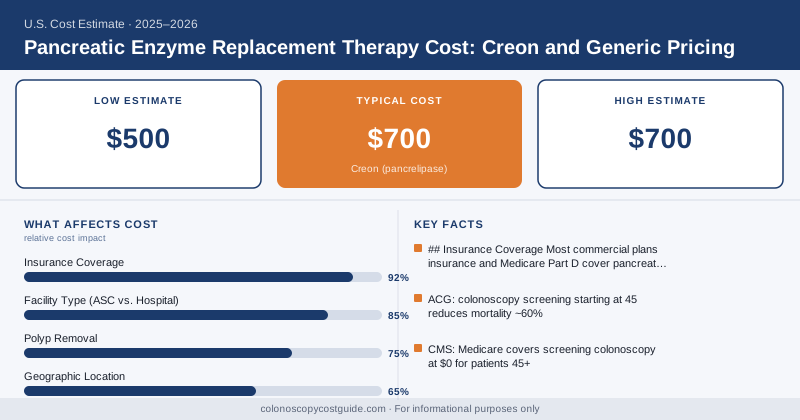
Pancreatic Enzyme Replacement Therapy Cost: Creon and Generic Pricing
{ if eq .Lang "zh" }{ else }{ end }Tom had been losing weight without trying for months before his doctor found the cause: his pancreas had stopped producing enough digestive enzymes, a common complication after chronic pancreatitis. The fix wasn’t complicated — enzyme capsules taken with every meal — but the price tag surprised him. There’s no generic version, and the monthly cost runs into the hundreds of dollars.
Enzyme Replacement Therapy Cost Breakdown
| Product | Monthly Cash Cost | Notes |
|---|---|---|
| Creon (pancrelipase) | $500 – $700 | Most widely prescribed brand |
| Zenpep | $450 – $650 | Comparable dosing options |
| Pancreaze | $400 – $600 | Similar formulation |
| Pertzye | $450 – $650 | Includes a bicarbonate buffer coating |
| Viokace (taken with a PPI) | $300 – $500 | Requires separate acid-reducing medication |
Why There’s No Generic Option
Pancreatic enzyme replacement products are manufactured from porcine (pig) pancreatic tissue and formulated with delayed-release coatings that protect the enzymes from stomach acid until they reach the small intestine. The FDA requires these products to go through a full New Drug Application process rather than a simpler generic pathway, and as of now, no manufacturer has brought a generic equivalent to market for any currently approved product. That regulatory reality — not manufacturing cost — is the main reason prices stay at brand-name levels.
Who Needs Enzyme Replacement Therapy?
Pancreatic enzyme replacement is prescribed for exocrine pancreatic insufficiency (EPI), a condition where the pancreas doesn’t produce enough digestive enzymes to break down fats, proteins, and carbohydrates. Common causes include:
- Chronic pancreatitis
- Cystic fibrosis
- Pancreatic cancer or pancreatic surgery
- Pancreatic duct blockage
Without treatment, EPI causes malnutrition, unintended weight loss, and oily, foul-smelling stools (steatorrhea) from undigested fat passing through the digestive tract.
Dosing Affects Your Monthly Cost
Insurance Coverage
Most commercial insurance plans and Medicare Part D cover pancreatic enzyme replacement therapy for documented pancreatic insufficiency, but coverage often comes with hurdles:
- Prior authorization is common, requiring your doctor to document the diagnosis (often via a fecal elastase test) and medical necessity
- Specialty tier copays on many formularies mean $30–$100 monthly copays even with coverage
- Step therapy requirements on some plans may require trying the lowest-cost covered brand first
If your plan denies coverage or places a high copay, ask your GI office about manufacturer patient assistance programs — AbbVie (Creon) and other manufacturers offer copay cards and income-based assistance programs that can reduce costs to $0–$50 monthly for eligible patients.
Ways to Reduce Your Cost
- Ask about manufacturer copay cards — most brands offer them, and they can cover a significant share of your copay
- Check patient assistance programs for uninsured or underinsured patients — income-based programs can provide free medication
- Confirm your dose is optimized — sometimes a different strength reduces total pill burden and monthly cost
- Use a 90-day mail-order supply if your plan offers it, which sometimes reduces the effective monthly cost compared to 30-day fills
The Bottom Line
Pancreatic enzyme replacement therapy costs $300–$700 a month without insurance assistance, driven by the lack of a generic alternative. With insurance and manufacturer copay programs, most patients can bring that down substantially. If cost is a barrier, talk to your GI office about assistance programs before skipping or reducing doses — the health consequences of untreated pancreatic insufficiency are far more expensive than the medication itself.
{ if eq .Lang "zh" }