Diverticulosis Management Cost: Monitoring, Diet, and Preventing Diverticulitis
In 2010, diverticulosis cost the U.S. healthcare system an estimated $2.4 billion annually — and today that number is higher. But for individual patients, the day-to-day management of uncomplicated diverticulosis is actually cheap. It’s when diverticulitis strikes that the costs accelerate fast.
Here’s what you actually need to spend, what you can skip, and when the bills start climbing.
What Is Diverticulosis?
Diverticulosis is the presence of small pouches (diverticula) in the wall of the colon. It’s extraordinarily common: the American Gastroenterological Association (AGA) estimates that roughly 35% of U.S. adults under 50 have diverticulosis, rising to over 58% of adults over 60 based on data published in Gastroenterology in 2018. Most people have no symptoms at all.
About 4% of people with diverticulosis will develop diverticulitis (inflammation or infection of the pouches) in any given year. That 4% is where most of the cost lives.
Routine Management Costs (Asymptomatic Diverticulosis)
If you’ve been told you have diverticulosis during a routine colonoscopy and you’re asymptomatic, your management costs are minimal.
Dietary changes: The old advice to avoid nuts, seeds, and popcorn was debunked — multiple large studies found no evidence these foods trigger diverticulitis. Current guidelines from the AGA support a high-fiber diet.
| Management Approach | Monthly Cost |
|---|---|
| High-fiber diet (dietary changes only) | $0 – $20 extra/month |
| Psyllium fiber supplement (Metamucil generic) | $10 – $20 |
| Probiotic supplement (optional, limited evidence) | $15 – $40 |
| Annual GI follow-up visit (if recommended) | $200 – $400/year |
| Colonoscopy surveillance (every 5–10 years) | $1,500 – $4,500 per procedure |
Most gastroenterologists don’t recommend annual surveillance colonoscopy specifically for diverticulosis — routine screening intervals apply unless there’s a history of diverticular bleeding or other risk factors. Annual GI office visits are often not necessary if you’re truly asymptomatic.
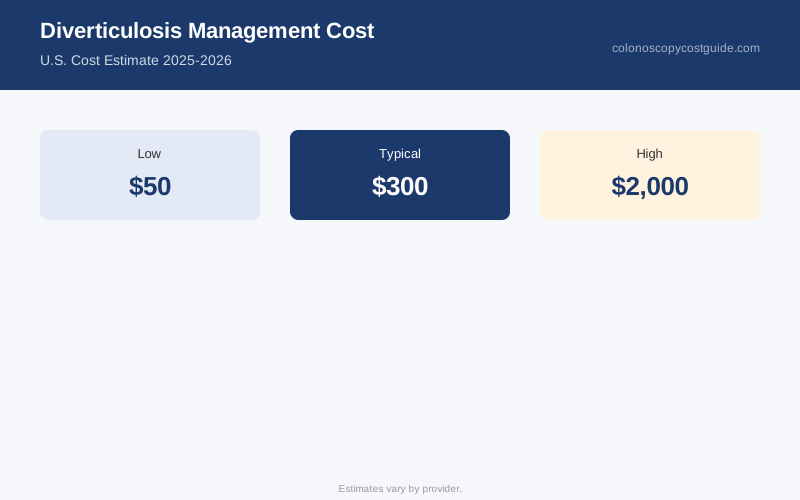
Realistic annual cost for uncomplicated diverticulosis: $0 – $500 (mostly dietary fiber supplementation and occasional GI visits if symptoms develop).
Acute Diverticulitis Treatment Costs
This is where costs escalate significantly. Acute diverticulitis ranges from mild (uncomplicated) to severe (complicated with abscess, perforation, or fistula).
Uncomplicated diverticulitis (Hinchey Stage 0–Ia): Standard treatment has shifted significantly. A landmark 2012 randomized trial in the British Medical Journal and subsequent studies showed that antibiotics are not always necessary for uncomplicated acute diverticulitis — selected patients do as well with observation and clear liquid diet.
When antibiotics are prescribed:
- Ciprofloxacin + metronidazole (generic): $15 – $50 for a 7–10 day course
- Amoxicillin-clavulanate (Augmentin generic): $20 – $60
- Trimethoprim-sulfamethoxazole + metronidazole: $10 – $35
CT scan to confirm diagnosis: $500 – $3,000 (uninsured). Essential for first attack; may be avoidable for recurrent mild episodes with classic presentation.
Total cost for outpatient management of uncomplicated diverticulitis: $600 – $3,500 uninsured, $50 – $500 with insurance.
Complicated diverticulitis (abscess, perforation, fistula):
| Complication | Typical Treatment Cost (Uninsured) |
|---|---|
| Pericolic abscess (CT-guided drainage) | $5,000 – $15,000 |
| Intraabdominal abscess (IR drainage) | $8,000 – $20,000 |
| Hospitalization (IV antibiotics, observation) | $15,000 – $40,000 per admission |
| Emergency colon resection (Hartmann procedure) | $30,000 – $80,000 |
| Elective sigmoid colectomy | $15,000 – $35,000 |
| Colostomy reversal (if applicable) | $12,000 – $25,000 |
When Is Surgery Recommended?
Surgery is no longer recommended after a fixed number of diverticulitis attacks. Current AGA and American Society of Colon and Rectal Surgeons (ASCRS) guidelines from 2020 favor individualized decision-making based on quality of life impact, attack severity, and patient factors.
The shift to individualized management means you shouldn’t feel pressure to elect surgery after two uncomplicated episodes if your quality of life is acceptable with medical management. But if attacks are frequent, severe, or associated with abscess formation, surgery may prevent emergency operations — which cost significantly more.
Elective vs. Emergency Surgery: The Cost Difference
Elective laparoscopic sigmoid colectomy: $15,000–$35,000, 2–3 day hospital stay, lower complication rates.
Emergency Hartmann procedure (for perforation or obstruction): $30,000–$80,000+, 5–10+ day ICU/hospital stay, often requires second surgery for colostomy reversal.
If your GI doctor and colorectal surgeon are recommending elective surgery after recurrent complicated diverticulitis, the math often favors doing it on your terms — while healthy and scheduled — over waiting for a life-threatening emergency.
Recurrent Diverticulitis Prevention
After an episode of diverticulitis, patients often ask what they can do to prevent recurrence. Evidence-based options:
Mesalamine (5-ASA): Some evidence for reducing recurrence; not universally recommended. Cost: $80–$250/month generic.
Rifaximin: Limited evidence for recurrence prevention in diverticular disease. Cost: $200–$600/month generic; brand Xifaxan significantly more expensive.
High-fiber diet + weight management: The AGA’s highest-evidence recommendation. No cost beyond food choices.
Quit smoking: Smoking is an independent risk factor for diverticulitis complications.
Insurance Coverage Summary
- Outpatient CT for suspected diverticulitis: Covered when medically indicated; expect copay/deductible
- Outpatient antibiotic prescriptions: Generic options are inexpensive even without insurance
- Hospitalization for complicated diverticulitis: Covered under medical/hospital benefit; out-of-pocket maximum applies
- Elective sigmoid colectomy: Covered when medically documented; prior auth typically required
- Post-treatment colonoscopy (6–8 weeks after resolution): Covered as diagnostic; colonoscopy to rule out malignancy mimicking diverticulitis is a standard post-treatment recommendation
The bottom line on diverticulosis: cheap to manage when asymptomatic, expensive when complicated. Fiber, weight management, and prompt attention to early symptoms are your best low-cost tools for staying on the right side of that divide.