How Much Do Colostomy Bag Supplies Actually Cost Each Month?
{ if eq .Lang "zh" }{ else }{ end }What does it actually cost to live with a colostomy day to day? Not the surgery — the ongoing monthly reality of pouches, wafers, and skin barrier products that most people never think about until they need them.
Here’s the full monthly cost picture.
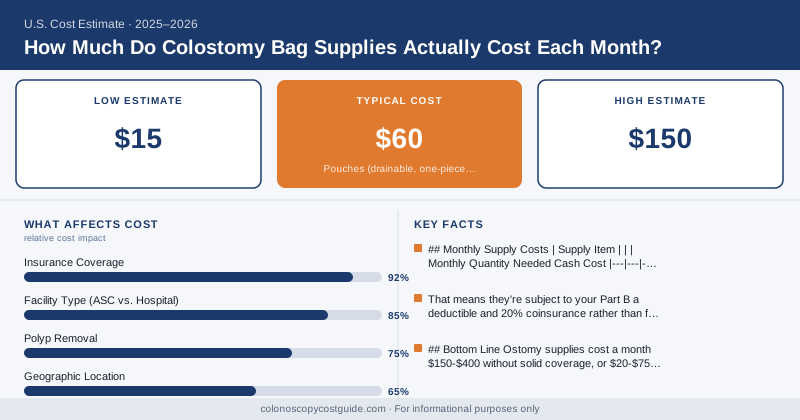
Monthly Supply Costs
| Supply Item | Monthly Quantity Needed | Cash Cost |
|---|---|---|
| Pouches (drainable, one-piece or two-piece) | 15 – 30 | $60 – $150 |
| Skin barrier wafers | 8 – 15 | $50 – $120 |
| Adhesive remover / skin prep wipes | 1 – 2 boxes | $15 – $30 |
| Ostomy paste or barrier rings | 1 – 2 tubes/boxes | $20 – $40 |
| Total monthly (no insurance) | — | $150 – $400 |
| Total monthly (with Medicare/DME coverage) | — | $20 – $75 |
The range depends heavily on how often you change your pouch and wafer, your stoma type, and whether you use one-piece or two-piece systems — two-piece systems generally cost more per unit but let you reuse the wafer for a few pouch changes, which can lower total monthly spend.
Why Insurance Coverage Varies So Much
Ostomy supplies are billed as durable medical equipment (DME) under most insurance plans, including Medicare Part B. That means they’re subject to your Part B deductible and 20% coinsurance rather than a flat copay, and your supplier has to be Medicare-enrolled for coverage to apply at all.
Key Takeaway
Where People Overspend Without Realizing It
Many new ostomates over-order pouches out of anxiety about running out, or under-use reusable barrier accessories that could stretch their wafer supply further. Working with an ostomy nurse early on to right-size your monthly order based on your actual stoma output and skin needs can meaningfully cut waste and cost.
Manufacturer and Nonprofit Assistance Programs
Major ostomy supply manufacturers run patient assistance programs for those who qualify based on income, and organizations like the United Ostomy Associations of America maintain supply exchange and assistance resources for members facing cost barriers. It’s worth asking your ostomy nurse specifically about these before assuming full price is your only option.
Comparing Cash Prices Online
Some online ostomy retailers post cash prices lower than what a high-deductible insurance plan’s coinsurance adds up to, especially early in the plan year before you’ve met your deductible. Compare a few months of your actual insurance cost-sharing against a cash-pay online order before assuming insurance is always cheaper.
Bottom Line
Ostomy supplies cost $150-$400 a month without solid coverage, or $20-$75 with Medicare or good private insurance DME benefits. Confirm your supplier is in-network, right-size your monthly order with help from an ostomy nurse, and look into manufacturer assistance programs if cost remains a real barrier.
{ if eq .Lang "zh" }