Paying for a Colonoscopy With Your HSA Debit Card
{ if eq .Lang "zh" }{ else }{ end }$300. That’s roughly what a swipe of your HSA debit card at the surgery center check-in desk can knock straight off your taxable income, assuming a typical $1,200 out-of-pocket colonoscopy bill and a 24% marginal tax rate. No paperwork, no reimbursement wait. Just tap and go.
Here’s how to actually use that card correctly, and where people trip up.
What Your HSA Card Covers
A screening or diagnostic colonoscopy is a squarely qualified medical expense under IRS rules, and that umbrella extends past just the doctor’s fee.
| Charge | Covered by HSA? | Typical Amount |
|---|---|---|
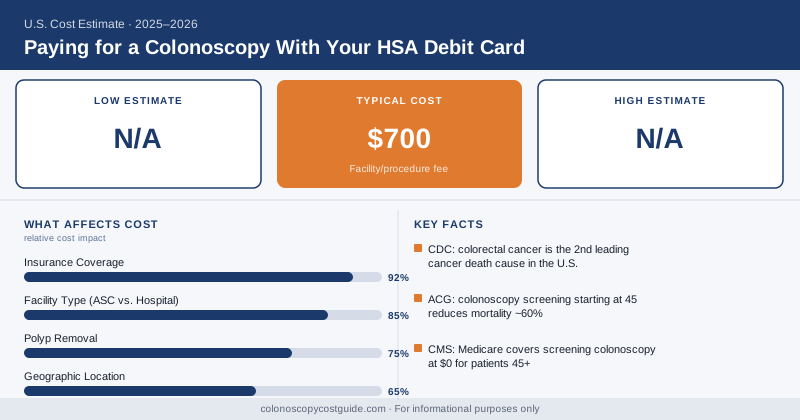
| Facility/procedure fee | Yes | $700 – $3,500 |
| Anesthesiologist (MAC/propofol) | Yes | $200 – $1,200 |
| Physician’s professional fee | Yes | $200 – $800 |
| Pathology (if polyp removed) | Yes | $100 – $400 |
| Bowel prep kit (prescribed) | Yes | $20 – $60 |
| Ride share to/from procedure | No | — |
Notice the last line. Transportation isn’t a qualified expense even though you legally can’t drive yourself home after sedation. That Uber comes out of your regular checking account.
Swipe at Checkout, or Pay and Reimburse Later?
Most surgery centers will let you swipe your HSA debit card the same way you’d use a regular Visa or Mastercard at intake, and that’s the simplest path if your balance covers the estimated cost. But billing for colonoscopies is rarely final on day one — the anesthesia group, the facility, and sometimes a separate pathology lab all bill weeks apart.
Key Takeaway
The Smarter Move: Pay Cash, Reimburse Later
Many HSA holders get better results paying with a personal credit card (for rewards points or to dispute errors more easily) and reimbursing themselves from the HSA once the final bill is confirmed accurate. There’s no deadline on HSA reimbursement — you can pay out of pocket this month and reimburse yourself from the HSA years later, as long as you kept the receipt and the expense was incurred after you opened the account.
Verifying Your Balance Before You Go
Check your HSA balance a few days before the procedure, not the morning of. A colonoscopy without insurance at a surgery center rather than a hospital typically runs $1,000–$3,500 all-in — know that number, and know your card’s daily transaction limit, since some HSA banks cap single swipes at $2,500 or less.
Saving the Paper Trail
Keep every itemized statement: the facility bill, the anesthesia bill, and the pathology bill if a polyp was sent to the lab. If you’re ever audited, the IRS wants to see that the amount you paid or reimbursed from the HSA matches a documented qualified medical expense — a credit card statement alone isn’t enough.
Bottom Line
Your HSA debit card is one of the easiest ways to cut the real cost of a colonoscopy, since every dollar you spend through it is pre-tax. Use it for the confirmed final charges, keep your receipts, and hold off on paying the anesthesiologist or facility until the actual bill — not the pre-procedure estimate — is in hand.
{ if eq .Lang "zh" }