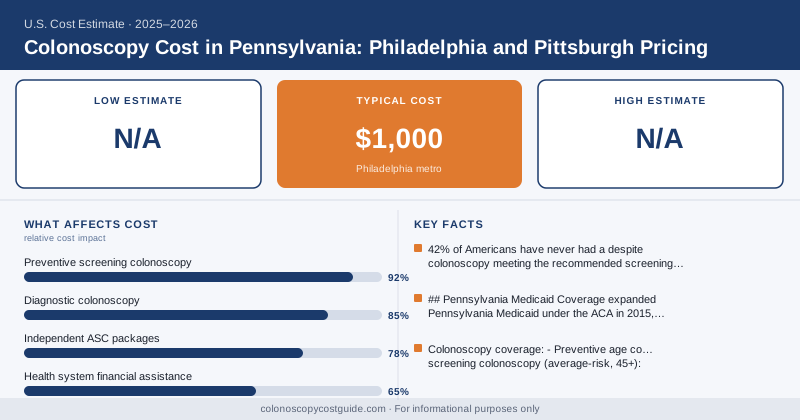
Colonoscopy Cost in Pennsylvania: Philadelphia and Pittsburgh Pricing
{ if eq .Lang "zh" }{ else }{ end }42% of Americans have never had a colonoscopy despite meeting the recommended screening age, according to CDC survey data — and in Pennsylvania, where a handful of massive health systems dominate the market, cost confusion is a common reason patients delay. Here’s what the numbers actually look like across the state.
Pennsylvania City-by-City Price Ranges
| City | Hospital Outpatient | ASC / Freestanding | Self-Pay ASC (All-In Est.) |
|---|---|---|---|
| Philadelphia metro | $2,500 – $4,900 | $1,100 – $2,000 | $1,000 – $1,600 |
| Pittsburgh | $2,200 – $4,500 | $950 – $1,850 | $900 – $1,450 |
| Allentown | $2,000 – $4,100 | $850 – $1,650 | $800 – $1,300 |
| Erie | $1,900 – $3,900 | $800 – $1,500 | $750 – $1,250 |
| Harrisburg | $2,100 – $4,200 | $900 – $1,700 | $850 – $1,350 |
| Scranton | $1,950 – $4,000 | $850 – $1,600 | $800 – $1,300 |
These figures cover facility and physician fees. Anesthesia typically adds $350–$800 in Pennsylvania, on the higher end nationally, and pathology adds $200–$600 for polyp removal.
Philadelphia Metro Breakdown
Philadelphia’s market includes Penn Medicine, Jefferson Health, and Temple Health, all major academic systems with premium hospital outpatient pricing. Independent GI practices in the suburbs — Bucks County, Montgomery County, and South Jersey suburbs — typically offer significantly lower self-pay pricing than the city’s academic medical centers.
Penn Medicine and Jefferson both maintain financial assistance programs, worth investigating if you need care specifically at an academic center but face cost barriers.
Pittsburgh Breakdown
Pittsburgh is dominated by UPMC, one of the largest integrated health systems in the country, which controls a substantial share of GI specialty care in Western Pennsylvania. This concentration means less price competition than in more fragmented markets — Allegheny Health Network is the primary alternative, and its ASCs often provide meaningfully lower self-pay pricing than UPMC’s hospital-based facilities for the same procedure.
Pennsylvania Medicaid Coverage
Pennsylvania expanded Medicaid under the ACA in 2015, covering adults with incomes up to 138% of the federal poverty level. Colonoscopy coverage:
- Preventive screening colonoscopy (average-risk, age 45+): covered with $0 cost-sharing
- Diagnostic colonoscopy: covered, with minimal copays under most managed care plans (Keystone First, UPMC for You, Geisinger Health Plan, and others administer PA Medicaid managed care)
Hospital System Consolidation Means Location Matters More Than Usual
Self-Pay Strategies in Pennsylvania
Independent ASC packages: Practices outside the largest academic systems — particularly in suburban Philadelphia and the Pittsburgh suburbs — offer bundled self-pay colonoscopy pricing in the $900–$1,600 range.
Health system financial assistance: All of Pennsylvania’s major nonprofit systems (Penn Medicine, UPMC, Jefferson, Geisinger, Temple) maintain IRS-required charity care programs; ask for the financial counseling department directly.
Geisinger’s rural network: In central and northeastern Pennsylvania, Geisinger operates an extensive rural care network with more standardized, often lower, self-pay pricing than the metro academic centers.
The Bottom Line
Pennsylvania’s consolidated hospital markets mean facility choice matters more here than in many other states — the gap between academic hospital pricing and independent ASC pricing can be especially wide. Shopping around, even with a quick phone call, is worth the effort. For broader national strategies, see how to schedule the cheapest colonoscopy.
{ if eq .Lang "zh" }