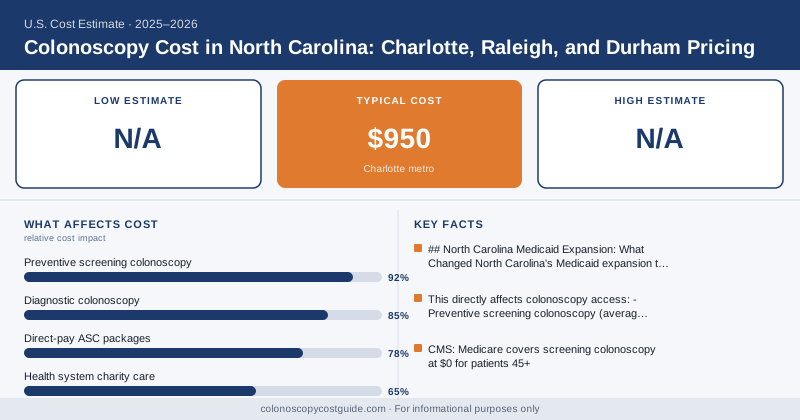
Colonoscopy Cost in North Carolina: Charlotte, Raleigh, and Durham Pricing
{ if eq .Lang "zh" }{ else }{ end }North Carolina expanded Medicaid in December 2023 — one of the more recent expansion states — which materially changed the self-pay and uninsured colonoscopy landscape here. If you’re researching costs in the Tar Heel State, that expansion is worth understanding before you assume you’re stuck paying full price.
North Carolina City-by-City Price Ranges
| City | Hospital Outpatient | ASC / Freestanding | Self-Pay ASC (All-In Est.) |
|---|---|---|---|
| Charlotte metro | $2,300 – $4,600 | $1,000 – $1,900 | $950 – $1,500 |
| Raleigh | $2,200 – $4,400 | $950 – $1,800 | $900 – $1,450 |
| Durham | $2,200 – $4,400 | $950 – $1,800 | $900 – $1,450 |
| Greensboro | $2,000 – $4,100 | $850 – $1,600 | $800 – $1,300 |
| Winston-Salem | $2,100 – $4,200 | $900 – $1,700 | $850 – $1,350 |
| Asheville | $1,900 – $3,900 | $800 – $1,500 | $750 – $1,250 |
These figures cover facility and physician fees. Anesthesia typically adds $300–$700, and pathology adds $200–$600 if polyps are removed.
Charlotte Metro Breakdown
Charlotte’s healthcare market is dominated by Atrium Health and Novant Health, both large systems with premium hospital outpatient pricing. Independent GI practices — including Charlotte Gastroenterology & Hepatology, one of the largest independent GI groups in the country — operate their own ASCs throughout the metro area and consistently offer the most competitive self-pay pricing.
Raleigh-Durham (Research Triangle) Breakdown
The Triangle area benefits from an unusually competitive academic and community healthcare market, with Duke Health, UNC Health, and WakeMed all serving the region. This competition, combined with a large number of independent GI practices serving the tech and university-driven population, tends to keep ASC pricing reasonable relative to hospital outpatient rates.
North Carolina Medicaid Expansion: What Changed
North Carolina’s Medicaid expansion took effect December 1, 2023, extending coverage to adults earning up to 138% of the federal poverty level — an estimated 600,000+ additional North Carolinians gained eligibility. This directly affects colonoscopy access:
- Preventive screening colonoscopy (average-risk, age 45+): covered with $0 cost-sharing under expanded Medicaid
- Diagnostic colonoscopy: covered, with possible modest copays depending on your specific managed care plan (AmeriHealth Caritas, Healthy Blue, UnitedHealthcare, WellCare, and Carolina Complete Health all participate in NC Medicaid managed care)
If you previously assumed you didn’t qualify for Medicaid in North Carolina, it’s worth checking again — the expanded income thresholds may now include you.
Rural Access Has Improved but Still Requires Planning
Self-Pay Strategies in North Carolina
Direct-pay ASC packages: Independent GI practices in Charlotte, Raleigh, and the Triad area frequently offer bundled self-pay colonoscopy pricing in the $900–$1,500 range.
Health system charity care: Atrium Health, Novant Health, Duke Health, and UNC Health all maintain financial assistance programs required under IRS nonprofit hospital rules — worth applying for if your income qualifies and you need hospital-based care specifically.
Community health center referrals: North Carolina’s FQHC network can connect uninsured patients to reduced-cost specialist referrals, even in more rural counties.
The Bottom Line
North Carolina’s colonoscopy pricing sits close to the national average, and recent Medicaid expansion has meaningfully improved affordability for lower-income residents. Whether you’re in Charlotte’s competitive metro market or a more rural county, independent GI-owned ASCs remain your best bet for the lowest self-pay pricing. For general national cost-reduction tactics, see how to schedule the cheapest colonoscopy.
{ if eq .Lang "zh" }