Colonoscopy Negotiated Rates: What Insurers Actually Pay (And How to Use That Number)
{ if eq .Lang "zh" }{ else }{ end }The average American assumes a hospital charges everyone the same price for a colonoscopy. They don’t. One insurer might have negotiated $900 for the exact same CPT code that another insurer pays $2,400 for, at the very same facility, performed by the very same doctor.
Here’s how to find those numbers and use them.
Why Negotiated Rates Vary So Much
| Payer Type | Typical Negotiated Rate | Notes |
|---|---|---|
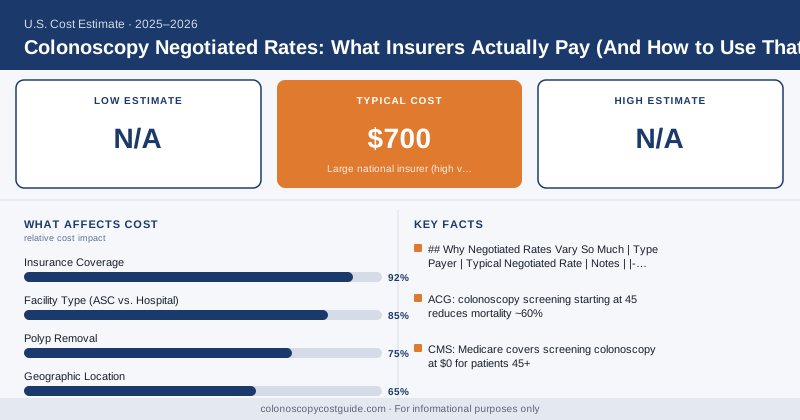
| Large national insurer (high volume) | $700 – $1,800 | Strongest negotiating leverage |
| Regional/smaller insurer | $1,200 – $2,800 | Less bargaining power |
| Medicare | $500 – $1,100 | Set by federal fee schedule |
| Uninsured “list price” (chargemaster) | $2,500 – $8,000+ | Rarely what anyone actually pays |
The chargemaster price — the sticker price nobody actually pays — exists almost as a formality. Every negotiated rate sits well below it, which is exactly why an uninsured patient billed at the chargemaster rate is being massively overcharged relative to what the hospital accepts from insurers every single day.
Where to Actually Find These Numbers
Since 2021, federal hospital price transparency rules require every hospital to publish a machine-readable file listing negotiated rates by payer for every service, including colonoscopies (CPT codes like 45378 and 45380). Search “[hospital name] price transparency” or “[hospital name] standard charges” to find the file — it’s often a spreadsheet buried a few clicks deep, but it’s required to exist.
Key Takeaway
How to Use the Rate in a Negotiation Call
Call the hospital’s billing or patient financial services department and say something like: “I saw in your published price transparency file that [Insurer] pays $X for CPT 45378 at this facility. As a self-pay patient, can you offer me a comparable cash rate?” This single question, backed by a real number from their own published file, is far more effective than a vague request for “any discount available.”
Independent Surgery Centers Are Simpler
Freestanding, physician-owned surgery centers often publish a single self-pay rate directly on their website rather than burying it in a compliance file, and that number is frequently lower than even the hospital’s negotiated insurer rate. If your goal is the lowest possible price, compare both: the hospital’s published negotiated rate and an independent center’s posted cash-pay price.
Bottom Line
Negotiated rates are the real prices hospitals accept every day, and federal transparency rules now make them public. Look yours up before you schedule, bring the specific number to your negotiation call, and you have genuine leverage to bring your bill down to what insurers already pay — not the inflated sticker price.
{ if eq .Lang "zh" }