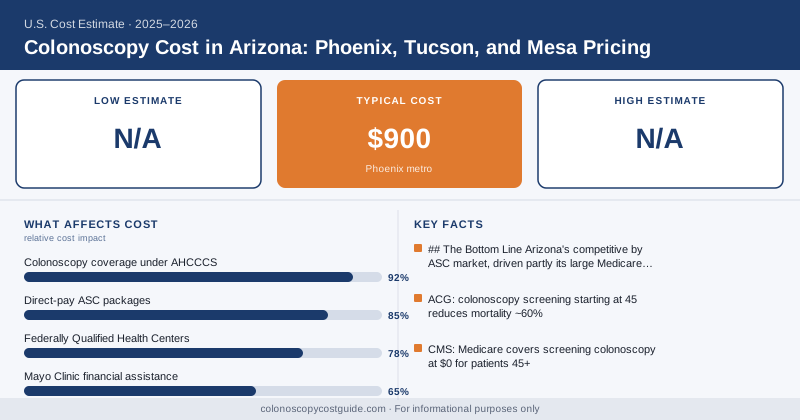
Colonoscopy Cost in Arizona: Phoenix, Tucson, and Mesa Pricing
{ if eq .Lang "zh" }{ else }{ end }Arizona’s retiree population skews the colonoscopy market here in an interesting direction: a high concentration of Medicare patients has pushed many GI practices toward efficient, high-volume ambulatory surgery centers rather than hospital-based care. That competition tends to work in your favor if you’re paying out of pocket.
Arizona City-by-City Price Ranges
| City | Hospital Outpatient | ASC / Freestanding | Self-Pay ASC (All-In Est.) |
|---|---|---|---|
| Phoenix metro | $2,200 – $4,500 | $950 – $1,800 | $900 – $1,400 |
| Tucson | $2,000 – $4,200 | $850 – $1,700 | $850 – $1,300 |
| Mesa | $2,100 – $4,300 | $900 – $1,750 | $850 – $1,350 |
| Scottsdale | $2,400 – $4,800 | $1,100 – $2,000 | $1,000 – $1,600 |
| Chandler | $2,000 – $4,100 | $850 – $1,650 | $800 – $1,300 |
| Tempe | $2,100 – $4,200 | $900 – $1,700 | $850 – $1,350 |
These ranges cover the facility and physician fee. Anesthesia typically runs $250–$650 separately at Arizona ASCs, and pathology adds $200–$600 if polyps are removed and sent for analysis.
Phoenix Metro Breakdown
Phoenix has a large, competitive GI market with major systems including Banner Health, HonorHealth, and Mayo Clinic Arizona all operating in the metro area. Mayo Clinic’s Scottsdale/Phoenix campus tends to price at the premium end given its reputation, while Banner Health’s network of ASCs offers more moderate self-pay pricing.
Independent GI groups like Arizona Digestive Health operate their own ambulatory surgery centers throughout the Valley and are generally the most affordable option for self-pay and high-deductible plan patients.
Tucson Breakdown
Tucson’s market is smaller but still competitive, anchored by Banner University Medical Center and TMC HealthCare. Independent GI practices near the University of Arizona area often provide the lowest self-pay pricing in the region, and Tucson’s overall cost of care tends to run slightly below Phoenix across most medical services, colonoscopy included.
Arizona Medicaid (AHCCCS) Coverage
Arizona’s Medicaid program, AHCCCS (Arizona Health Care Cost Containment System), expanded coverage under the ACA and covers colorectal cancer screening colonoscopy for eligible adults with no cost-sharing. As of 2025, AHCCCS covers adults with incomes up to 138% of the federal poverty level.
Colonoscopy coverage under AHCCCS:
- Preventive/screening colonoscopy (average-risk, age 45+): covered with $0 cost-sharing
- Diagnostic colonoscopy: covered, with possible small copays depending on your assigned managed care plan (Mercy Care, UnitedHealthcare Community Plan, Banner-University Family Care, and others)
- AHCCCS members should confirm network participation with their specific managed care plan before scheduling
Snowbird Season Affects Scheduling and Pricing
Self-Pay Strategies in Arizona
If you’re uninsured or on a high-deductible plan, Arizona offers reasonably competitive self-pay options:
Direct-pay ASC packages: Several Phoenix and Tucson-area ASCs offer bundled self-pay colonoscopy packages in the $900–$1,400 range, covering facility, physician, and standard sedation, though anesthesia and pathology are sometimes billed separately.
Federally Qualified Health Centers: Arizona has more than 20 FQHCs, including Circle the City, Mountain Park Health Center, and El Rio Community Health Center in Tucson, which can provide referrals to sliding-scale GI care for uninsured patients.
Mayo Clinic financial assistance: Mayo Clinic Arizona offers a financial assistance program for qualifying patients based on household income, worth investigating if you need care at a premium facility but face financial hardship.
The Bottom Line
Arizona’s competitive ASC market, driven partly by its large Medicare-age population, keeps self-pay colonoscopy pricing reasonable at $850–$1,800 for most metro areas. If you’re deciding where to have your procedure, an independent ASC almost always beats hospital outpatient pricing for routine screening. For general strategies on minimizing your bill anywhere in the country, see how to schedule the cheapest colonoscopy.
{ if eq .Lang "zh" }