Colonic Inertia Treatment Cost: Testing, Medication, and Surgery
{ if eq .Lang "zh" }{ else }{ end }42% of slow-transit constipation cases get mislabeled as ordinary constipation for years before anyone runs the right test. Colonic inertia isn’t “you should eat more fiber” constipation — it’s a motility failure where the colon barely moves stool at all, and treating it can range from a $30 prescription to a $40,000 surgery.
Colonic inertia (slow-transit constipation) means the colon’s muscles don’t propel waste through at a normal pace. The NIDDK reports that constipation is one of the most common GI complaints in the U.S., affecting an estimated 16% of adults, but only a small subset have true colonic inertia. Telling them apart is the entire point of the diagnostic workup — and it’s what stops people from rushing into surgery they don’t need.
Getting the diagnosis right
Before anyone talks about treatment, you need to prove the colon is actually slow. That takes specialized testing.
| Diagnostic Test | Typical Cost |
|---|---|
| Sitz marker (colonic transit study) | $300–$900 |
| Anorectal manometry | $400–$1,200 |
| Balloon expulsion test | $150–$400 |
| Defecography | $500–$1,500 |
| Colonoscopy (rule out obstruction) | $1,250–$4,800 |
That colonoscopy is often the first step to rule out a blockage or other cause. If you’re facing one, our colonoscopy cost breakdown explains the charges, and colonoscopy cost without insurance helps if you’re paying cash.
Step one: medications and conservative care
Most people start — and many stay — on the medication path. The goal is to get the colon moving without surgery.
| Treatment | Monthly Cost |
|---|---|
| Osmotic laxatives (PEG/polyethylene glycol) | $10–$40 |
| Stimulant laxatives | $10–$30 |
| Linaclotide (Linzess) | $400–$550 |
| Plecanatide (Trulance) | $400–$550 |
| Prucalopride (Motegrity) | $400–$600 |
| Pelvic floor physical therapy | $100–$250/session |
The brand-name prescription motility agents are the expensive part. Generic osmotic laxatives are cheap. Many people get adequate relief with a combination of the affordable options plus pelvic floor therapy, especially if there’s a coordination problem rather than pure inertia.
Key Takeaway
When surgery enters the picture
For a small group with severe, refractory colonic inertia confirmed by transit testing — and with a normal anorectal function — surgeons may remove most of the colon (subtotal colectomy) and reconnect the small intestine to the rectum.
| Surgical Option | Total Cost |
|---|---|
| Laparoscopic subtotal colectomy | $25,000–$45,000 |
| Open subtotal colectomy | $30,000–$50,000+ |
Insurance and the long view
Colonic inertia is a recognized motility disorder, so diagnostic testing, medications, and surgery are all medically necessary and covered. The brand-name prescription drugs are where insured patients feel the pinch — prior authorization is common, and copays vary. Ask about manufacturer copay cards, which can bring drugs like Linzess or Motegrity down substantially for commercially insured patients.
If your constipation overlaps with other GI issues, our IBS treatment cost guide covers related management, since IBS-C and colonic inertia can look similar early on.
The realistic budget
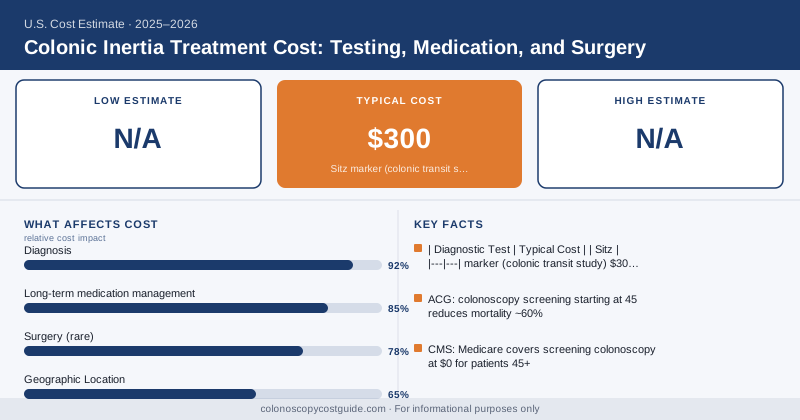
- Diagnosis: $2,000–$6,000 with the colonoscopy and motility tests.
- Long-term medication management: anywhere from $120 a year on generics to $6,000+ a year on brand-name motility agents.
- Surgery (rare): $25,000–$50,000, mostly covered if criteria are met.
The biggest cost mistake here is jumping to surgery without proper testing, or paying for expensive brand drugs before trying cheaper combinations. Get the transit study done, exhaust the conservative options, and reserve the operating room for genuinely refractory cases.
{ if eq .Lang "zh" }