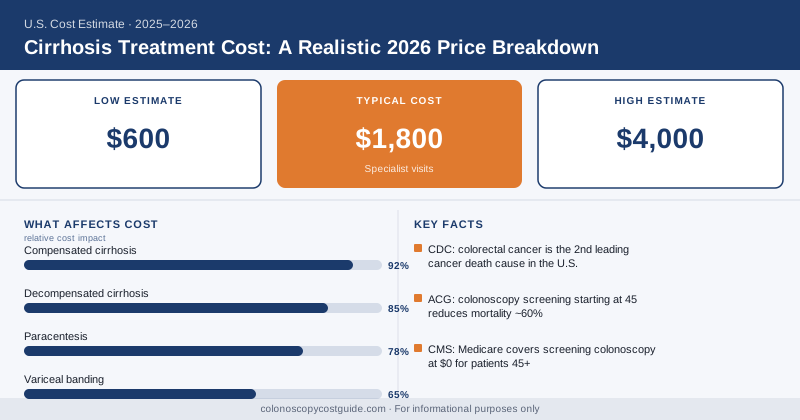
Cirrhosis Treatment Cost: A Realistic 2026 Price Breakdown
{ if eq .Lang "zh" }{ else }{ end }A single hospital stay for a cirrhosis complication can wipe out a year’s worth of careful budgeting. That’s the part that catches families off guard. The day-to-day management of cirrhosis is often manageable, but the complications? Those are where the real money goes.
The CDC reported that chronic liver disease and cirrhosis caused over 55,000 deaths in the U.S. in a recent year, making it one of the leading causes of death among working-age adults. Behind those numbers are a lot of people navigating costs nobody warned them about.
Compensated vs. decompensated: your cost depends on this
Doctors split cirrhosis into two camps, and your wallet feels the difference.
Compensated cirrhosis means your liver is scarred but still doing its job. Management is mostly outpatient: regular monitoring, screening for liver cancer, and lifestyle measures. This is the affordable end.
Decompensated cirrhosis means the liver is failing, and complications like fluid buildup (ascites), bleeding veins (varices), and confusion (encephalopathy) start showing up. This is where costs explode.
| Service | Compensated (Annual) | Decompensated (Annual) |
|---|---|---|
| Specialist visits | $600 – $1,800 | $1,500 – $4,000 |
| Lab monitoring | $400 – $1,500 | $1,200 – $4,000 |
| Liver cancer screening (ultrasound) | $400 – $1,400 | $400 – $1,400 |
| Medications | $200 – $3,000 | $2,000 – $12,000 |
| Procedures (paracentesis, banding) | $0 | $3,000 – $20,000 |
| Hospitalizations | rare | $20,000 – $60,000+ |
Diagnosis and ongoing monitoring
Getting diagnosed usually starts with liver function tests and imaging, and often a liver biopsy or FibroScan to confirm scarring. Once you’re diagnosed, monitoring becomes a recurring expense.
Every cirrhosis patient needs liver cancer surveillance, typically an abdominal ultrasound every six months, because cirrhosis raises liver cancer risk dramatically. Skipping these to save money is a gamble that rarely pays off.
Key Takeaway
Medication costs
Cirrhosis meds vary wildly. Diuretics for fluid retention might cost $4 a month as a generic. Lactulose for encephalopathy is cheap. But beta-blockers, antibiotics like rifaximin, and treatments for the underlying disease can add up fast. Rifaximin alone can run several hundred dollars a month without good coverage.
If your cirrhosis stems from viral hepatitis, treating that root cause, while expensive up front, can slow or halt progression and save money long term.
The complication costs that hurt
Here’s where the big bills come from:
- Paracentesis (draining abdominal fluid): $1,000 to $5,000 per procedure, and some patients need it repeatedly.
- Variceal banding during an endoscopy: $3,000 to $12,000. This is often done after the kind of upper-GI evaluation similar to an ERCP workup.
- Hospital admission for bleeding or confusion: $20,000 to $60,000+ per stay.
A single decompensation event can cost more than an entire year of stable management.
Insurance and assistance
Most cirrhosis care is covered by insurance and Medicare, but you’ll still owe deductibles and coinsurance. For decompensated patients, out-of-pocket costs can hit your plan’s annual maximum, which for many people is $6,000 to $9,000 a year.
Drug manufacturer assistance programs, hospital charity care, and the American Liver Foundation’s resources can all reduce the burden. Ask the hospital’s financial counselor before bills pile up, not after.
The bottom line
Stable cirrhosis might cost $5,000 to $10,000 a year to manage. Decompensated cirrhosis with complications can blow past $40,000 annually, driven almost entirely by hospitalizations. The financial logic is simple even when the disease isn’t: keeping your cirrhosis compensated is both the healthier and the cheaper path.
{ if eq .Lang "zh" }