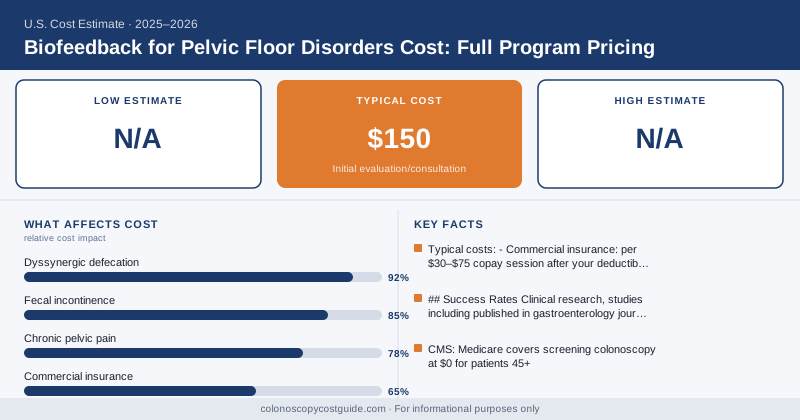
Biofeedback for Pelvic Floor Disorders Cost: Full Program Pricing
{ if eq .Lang "zh" }{ else }{ end }“Retrain your pelvic floor” sounds abstract until you’re the one sitting in the exam chair with sensors attached, watching a screen that shows, in real time, whether the right muscles are contracting. That’s pelvic floor biofeedback — a legitimate, evidence-backed therapy for a group of conditions that often get dismissed as “just get more fiber.”
Pelvic Floor Biofeedback Cost Breakdown
| Component | Typical Cost | Notes |
|---|---|---|
| Initial evaluation/consultation | $150 – $400 | Includes symptom history and exam planning |
| Diagnostic testing (manometry, if not already done) | $300 – $2,000 | Confirms the specific muscle dysfunction |
| Biofeedback session (each) | $150 – $400 | Typically 30–60 minutes |
| Full course (4–8 sessions) | $1,000 – $2,800 | Standard treatment protocol |
| Home biofeedback device (optional add-on) | $100 – $300 | Some programs include take-home practice tools |
What Biofeedback Treats
Pelvic floor biofeedback is used for several distinct but related conditions:
Dyssynergic defecation — the pelvic floor contracts instead of relaxing during a bowel movement, causing chronic constipation. Covered in more detail in our dyssynergic defecation treatment cost guide.
Fecal incontinence — weak or poorly coordinated pelvic floor and sphincter muscles fail to maintain continence. Biofeedback helps patients strengthen and better time muscle contractions. See our fecal incontinence treatment cost guide for the full picture of treatment options.
Chronic pelvic pain — in some cases, biofeedback helps patients learn to relax chronically tense pelvic floor muscles contributing to pain.
How the Therapy Works
A trained clinician — often a specialized physical therapist, nurse, or GI nurse practitioner — places sensors (external or a small rectal probe) that display your muscle activity on a screen in real time. You practice contracting or relaxing specific muscles while watching the feedback, gradually learning to control muscles that are normally involuntary or difficult to consciously coordinate.
Insurance Coverage Depends on a Confirmed Diagnosis
Insurance Coverage
Biofeedback for documented pelvic floor dysfunction is covered by Medicare and most commercial insurance plans under CPT code 90911. Typical costs:
- Commercial insurance: $30–$75 copay per session after your deductible
- Medicare Part B: Standard 80/20 coinsurance after the annual deductible
- Medicaid: Covered in most states, often with minimal copay
Some insurers cap the number of covered sessions per year (commonly 6–8), so ask your provider to plan the treatment course within that limit when possible.
Success Rates
Clinical research, including studies published in gastroenterology journals, shows biofeedback resolves symptoms in roughly 70–80% of dyssynergic defecation patients and significantly improves continence in a majority of appropriately selected fecal incontinence patients — making it one of the more cost-effective GI interventions relative to its price, especially compared to years of ongoing symptom management with medications that don’t address the root cause.
The Bottom Line
A full course of pelvic floor biofeedback costs $1,000–$2,800, or a few hundred dollars out of pocket with insurance and a confirmed diagnosis. For patients with dyssynergic defecation or fecal incontinence who haven’t responded to simpler treatments, it’s one of the few interventions in gastroenterology with strong evidence behind both its effectiveness and its relatively contained cost.
{ if eq .Lang "zh" }